
How to Add Paper Textures to Your Fantasy Maps
Tutorial for Procreate & Most Drawing Apps
Tutorial for Photoshop
Adding texture to your fantasy maps is a great way to make it feel like an authentic relic from the world you've creating. Fortunately it's not difficult to build layers of texture on your maps; if you know a few of the tricks I'm going to show you today.
Here you will find two videos walking you through the process. One will show you how to do it if you’re working in Procreate and most drawing apps such as Clip Studio Paint, Affinity Photo, Krita, etc. While the that method will also work in Photoshop, the second video will show you a special method I like to use for applying textures on my maps if I’m working in Photoshop.
Let’s Start Mapping!
Josh
Click Here to Get Your FREE Paper Textures
More Map Making Tutorials
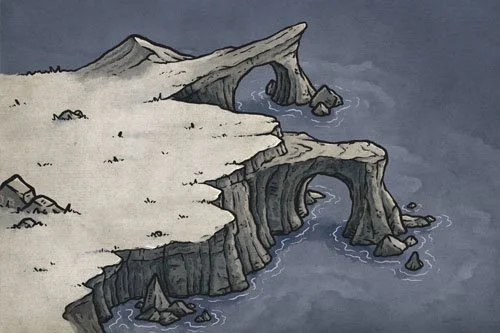
Waves work patiently at the land, and now and then an arch of stone remains, carved by water and weather. Their silhouettes define the shoreline, and become iconic features on your fantasy map.
In this tutorial, I’ll show you how to draw a sea arch, breaking it down into simple steps you can easily follow.
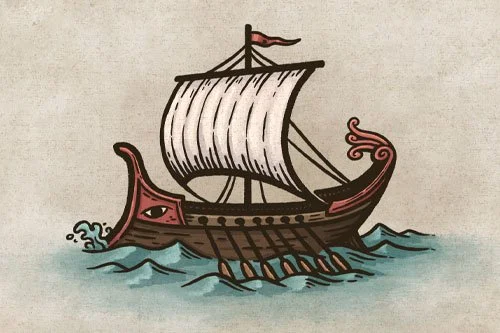
The sea stretches before you, the same wine-dark expanse crossed by Odysseus as he wrestled with gods, monsters, and the whims of fate. Greek ships like his carried stories across the Mediterranean for centuries, their painted eyes watching the horizon for both danger and destiny.

Many of us first fell in love with maps and fantasy while gazing at J.R.R. Tolkien’s map of Middle-earth. Something stirred our imagination as we stared at the Misty Mountains and searched for the entrance to Moria. Inevitably, this led us to want to pick up a pen and draw a map of our own. But where to begin?

The air is heavy with the scent of salt as you trace the winding river to its end. Here, the waters split into countless streams spreading like the roots of a tree into the sea. The soils are rich, teeming with life. A place where civilizations might rise, or secrets might sink beneath the silt.
In this tutorial, I’ll guide you through drawing river deltas that look as though they belong on ancient charts and treasure maps. Features that not only shape the land, but hint at the stories and mysteries flowing through it.

The room is filled with the scent of dust and old wood as you pry open the creaking cellar door. Stacked in the corner are a few battered wood crates, their rough boards concealing who knows what treasures or traps inside.
Every good dungeon, inn or market needs a place to stash supplies or secrets. In this tutorial, I’ll show you how to draw some wood crates that can add a layer of believability or mystery to your fantasy map.

As you enter the tavern, you see a crackling fireplace casting a warm, golden glow across the room, its flickering light dancing on the worn wooden beams and inviting you to rest your weary bones after a long journey.
A fireplace like this isn’t just a detail, it’s a place to gather for your next adventure. But, how do you draw one on your map?

Swamps are a haunting feature of any fantasy map, their still waters and tangled growth hiding stories of mystery. In this tutorial, you’ll learn how to bring these wetlands to life, starting with basic shapes and building up details with simple steps anyone can follow. By the end, you’ll have the skills to create a swamp on your map that your readers or players can explore.
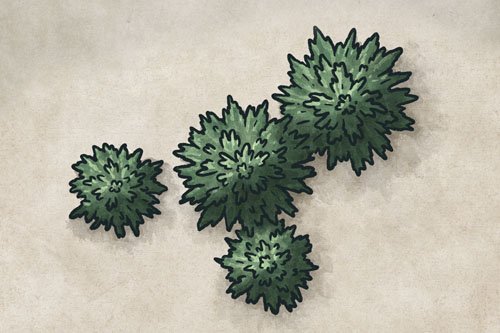
Forests breathe life into your city maps, transforming generic landscapes outside the walls into locations that could a secret tomb or shelter a group of bandits. You never know what secrets might be lurking beneath the boughs! Pine trees can tell you something about the environment of the location. Perhaps it's an area with low-quality soil where only the hardiest trees can grow, or maybe it's an alpine location in the mountains. Either way, using different species of trees is a great way to subtly convey something about a location, which makes for a more immersive story for your players or readers.
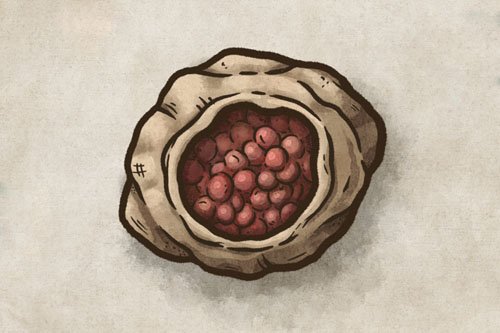
One of the things that adds flavor to a dungeon or battle map is the details you add to the room. If you want to create immersive settings for your RPG campaign that your players want to explore, they shouldn’t be walking into mostly empty rooms with random monsters. Is this just a sack of apples, or could there be something hidden inside?
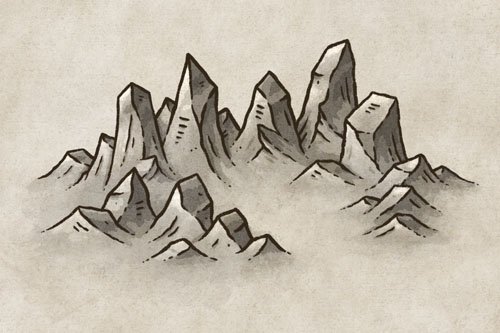
These sinister rock formations will loom ominously over your map, their impassable cliffs and sharp, jagged peaks casting long shadows across your world. Mountains are not just obstacles; they are characters in your tale, whispering of dangers unknown.
