MAP TIPS
Sometimes it's the little tips that make the biggest impact. Whether you're creating maps for a novel or a rpg, this collection of simple tips will help you create more professional and believable maps for your story!
Stop guessing where your mountains should go. Learn three ways ranges form, then use those principles to place mountains in a believable way that serves your story.
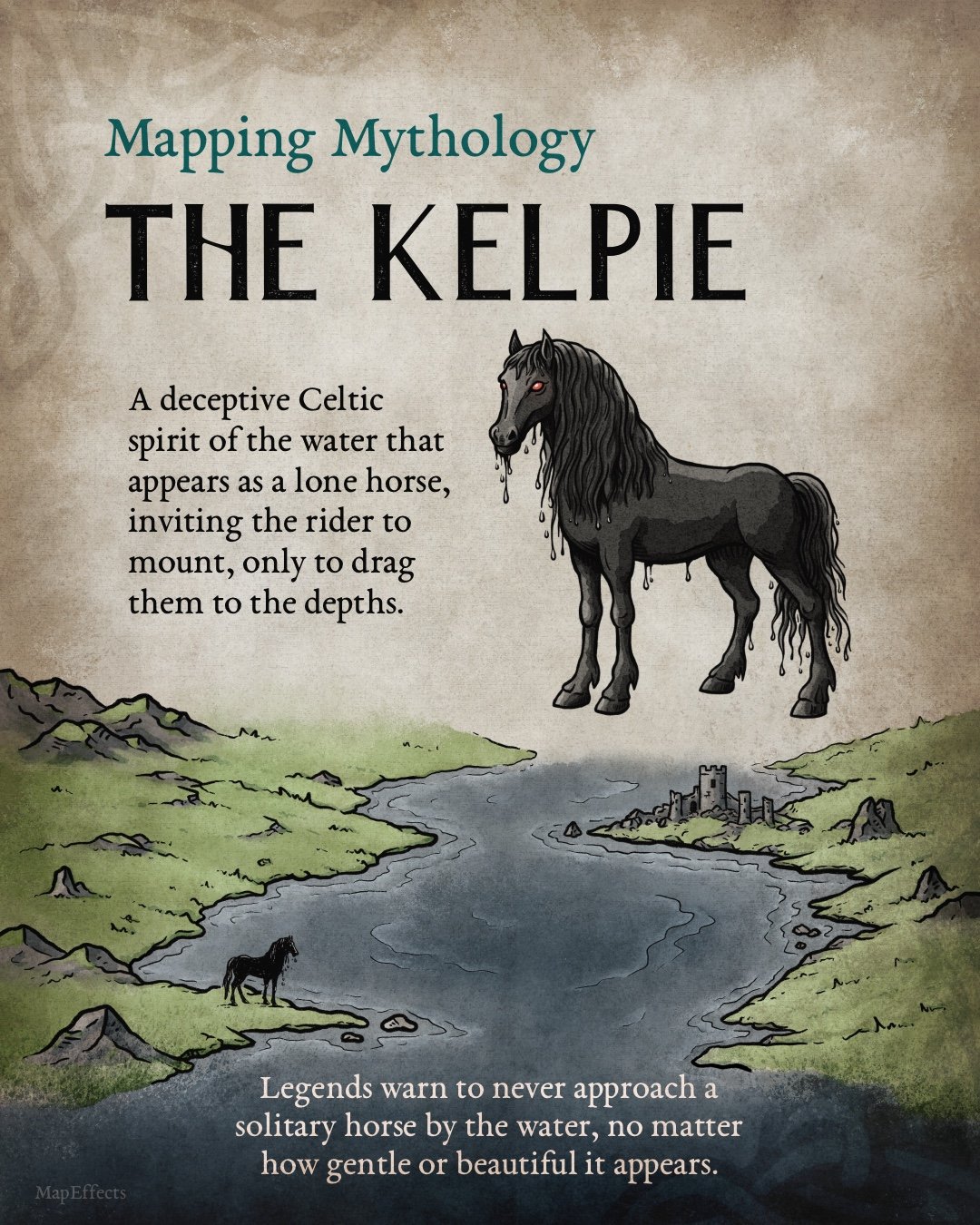
The kelpie is a legendary water spirit from Scottish folklore, known for appearing as a horse near lochs and rivers. Described with a wet mane and an unnatural stillness, it lures the unwary closer before dragging them beneath the water. These stories reflect the real dangers of Scotland’s waterways, where calm surfaces can hide deadly depths.
Have you ever been tripped up by what size to draw the trees on your fantasy maps? Most of us have a desire for our maps to feel realistic, but sometimes this can be more of a hindrance than a help. In this Map Tip, I want to give you a little insight into what scale most map makers draw their trees, what is realistic, and then how much artistic license you have when drawing your maps.
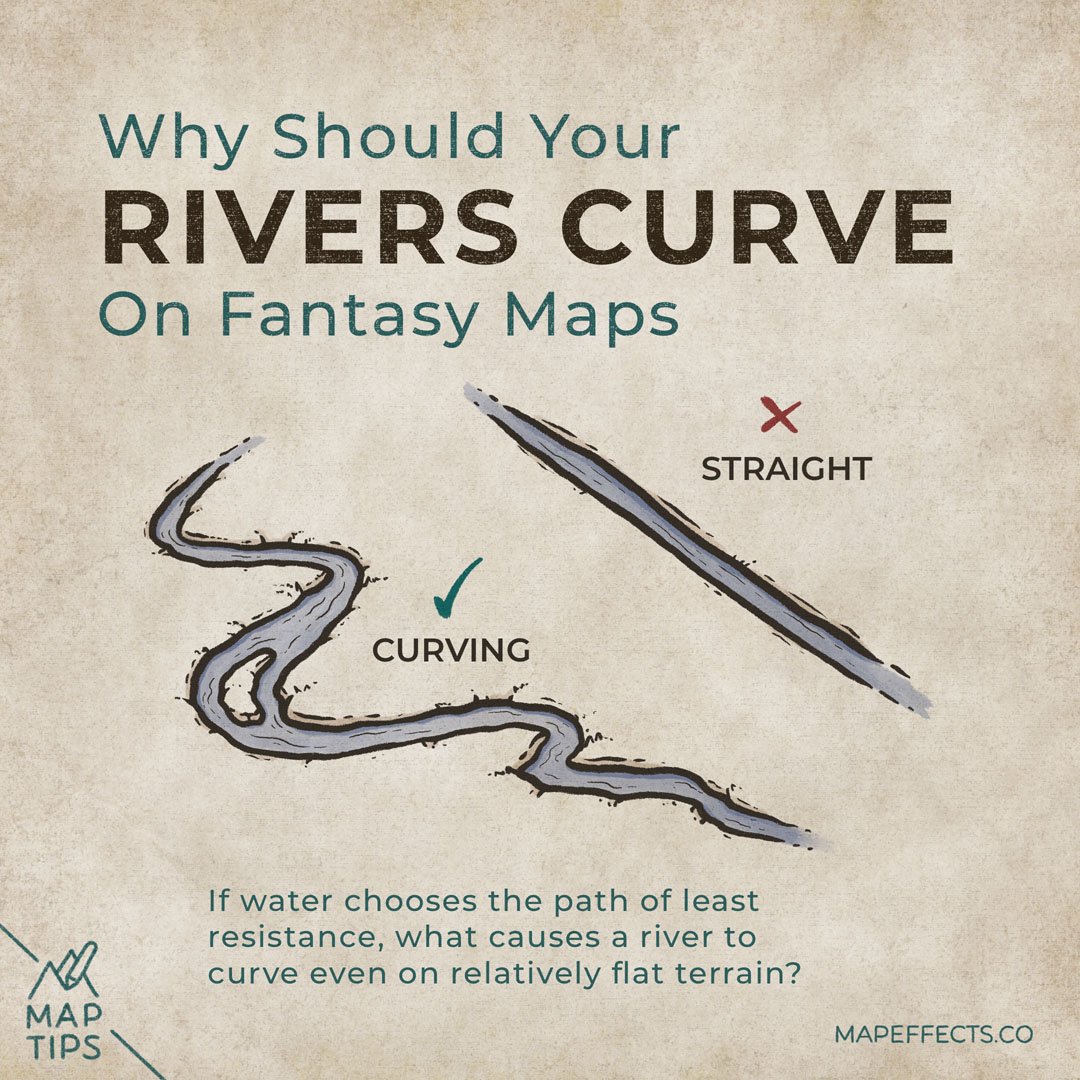
Have you ever wondered whyy rivers meander all over the place on flat terrain? It makes sense for the terrain in the mountains to be diverting the river, but why does it do the same thing on a flat landscape?
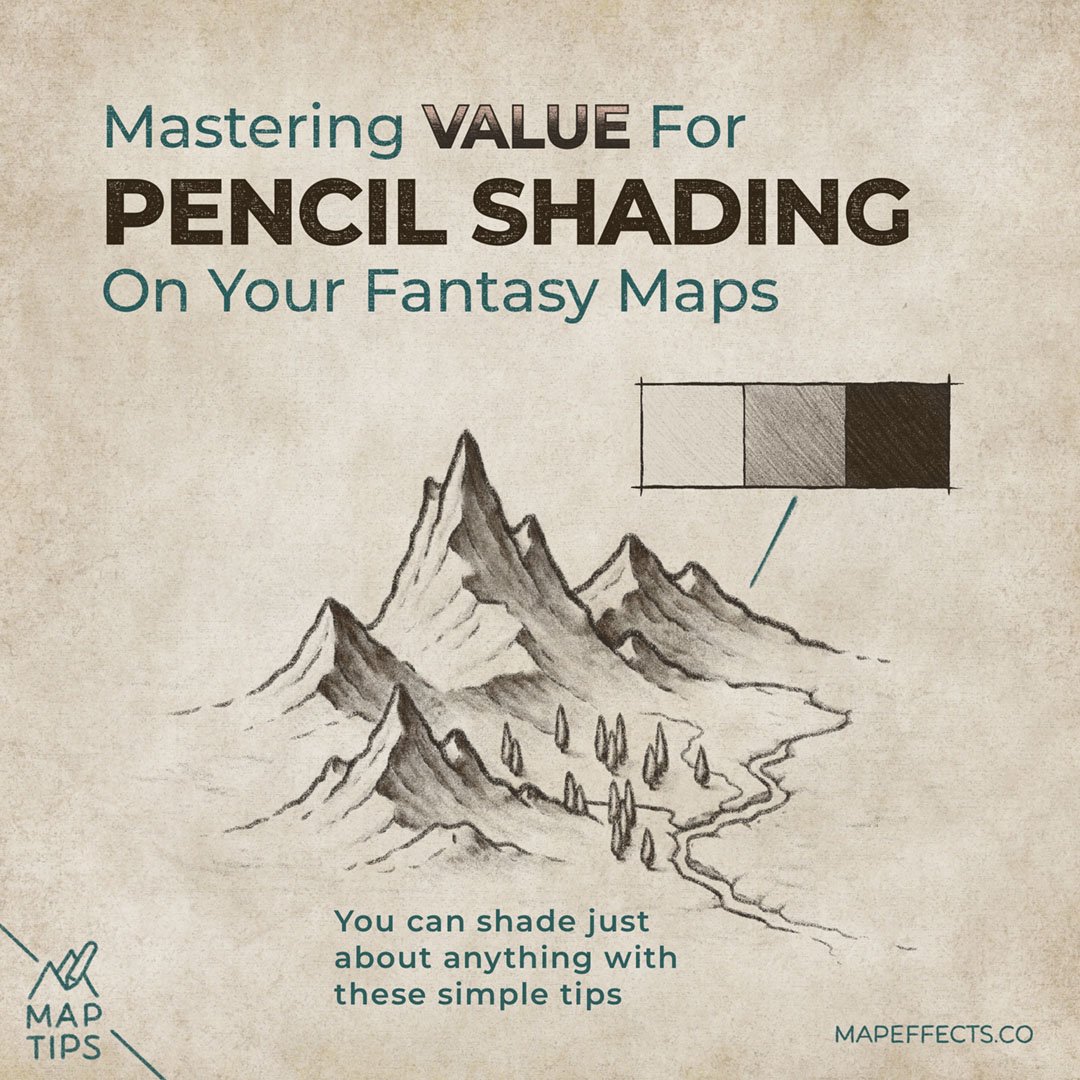
When it comes to art I feel like shading is one of those magical things. There’s just something about transforming a drawing on a flat piece of paper, to something that feels like it’s popping off the page. Just about every aspiring artist and cartographer I know wants to learn how to shade, but it also feels like one of the most intimidating things to learn. While there is certainly room for complexity, I think you can easily achieve more than satisfactory results with just some basic principles. Those simple principles are what I hope to equip you with today, so you can master value and can adding shading to your fantasy maps with ease.
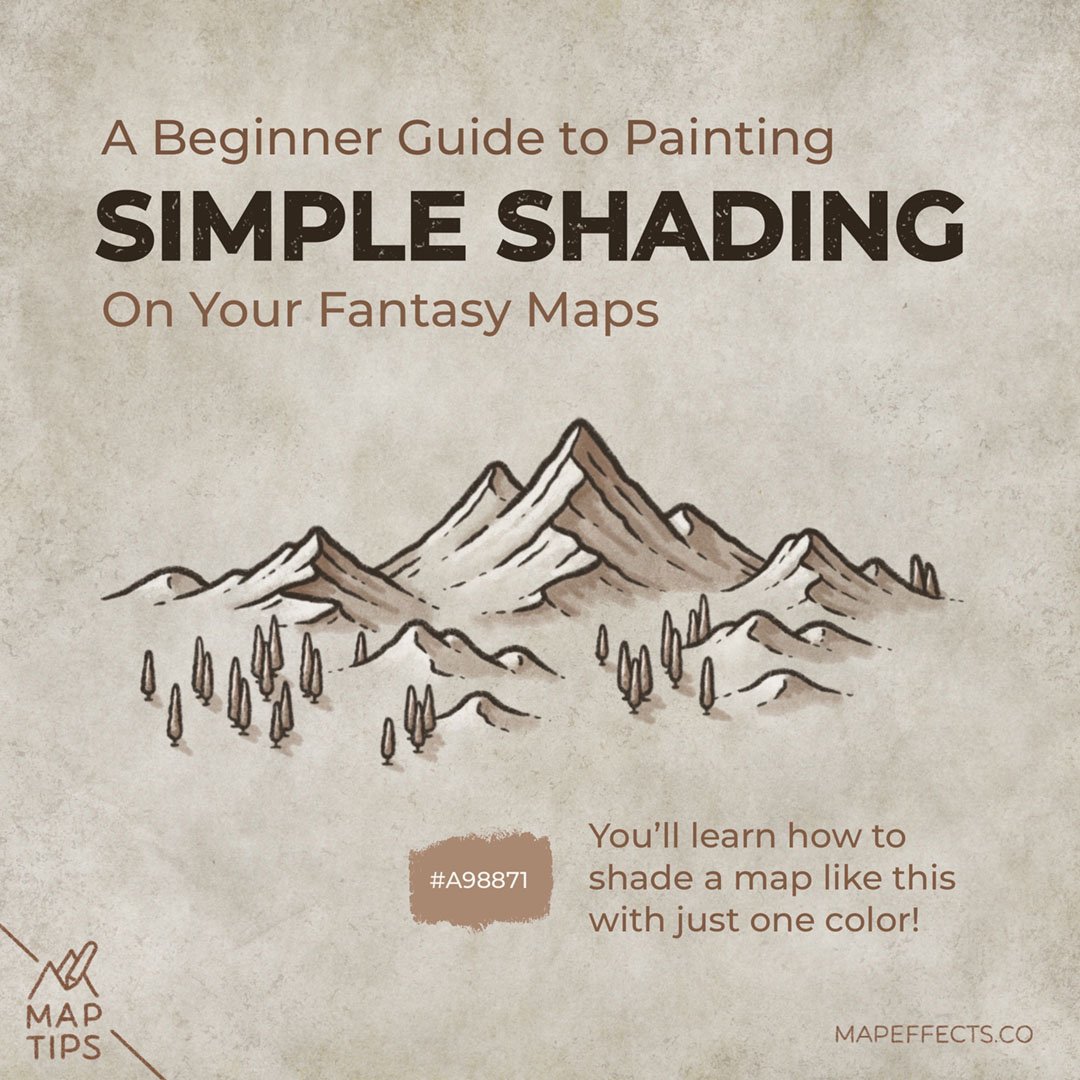
Adding shading to your fantasy map brings a whole new level of depth and texture that can help your readers or players visualize the landscape you've created. But if you don’t consider yourself an “artist”, then the idea of shading might feel very overwhelming. Between what colors to use, light direction, and form, it can be difficult to know where to begin.
Do all the features on your fantasy map look a bit…flat? If you want to quickly step up the quality of your maps for the book you’re writing, or your next rpg campaign, then learning how to add some depth to can go a long way.
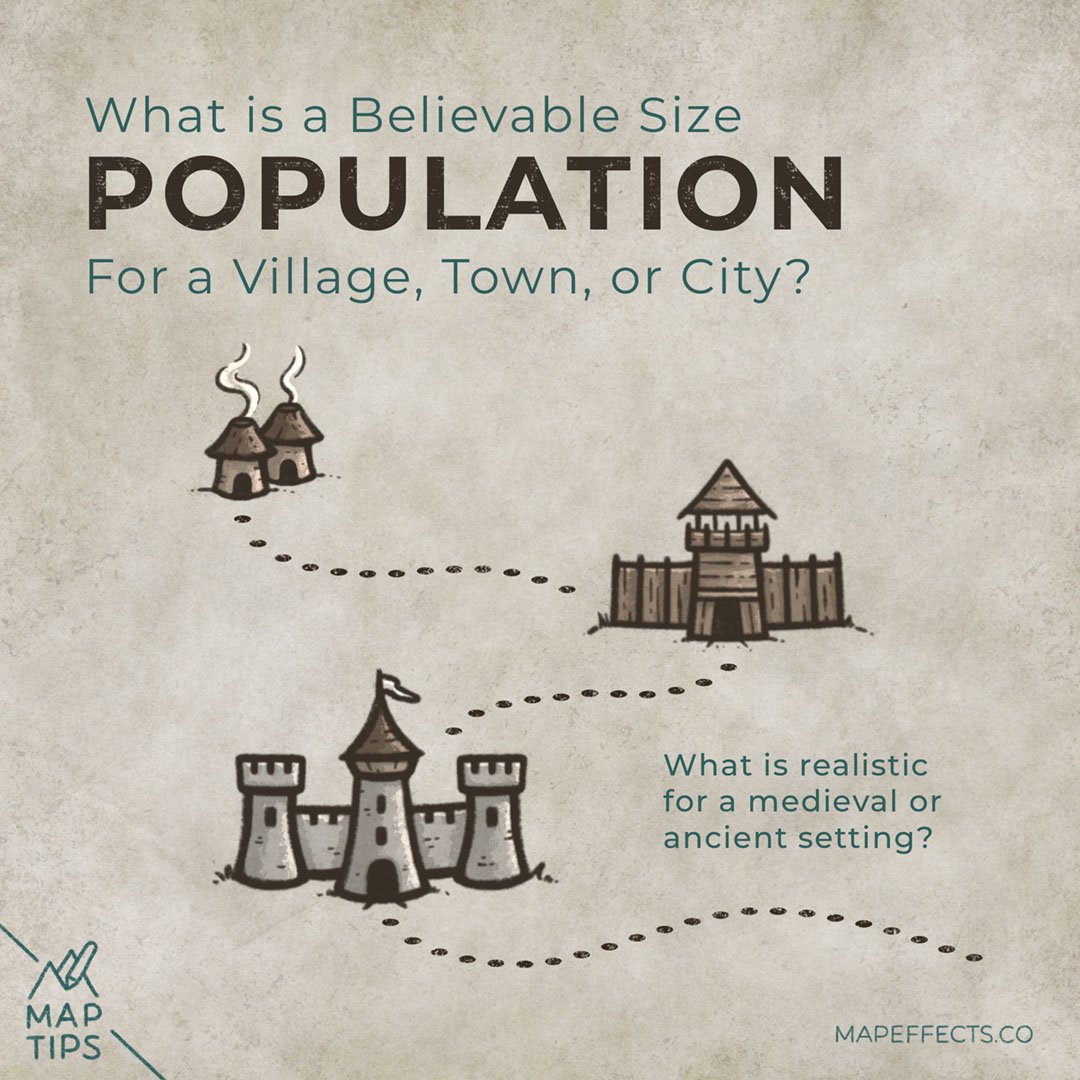
What is a realistic population size for a medieval or ancient fantasy setting? Should a city have a couple of million people? How about 500,000 or 20,000? Let’s delve in and give you some simple guidelines as well as a cheat sheet you can easily reference as you are writing your story and drawing your map!
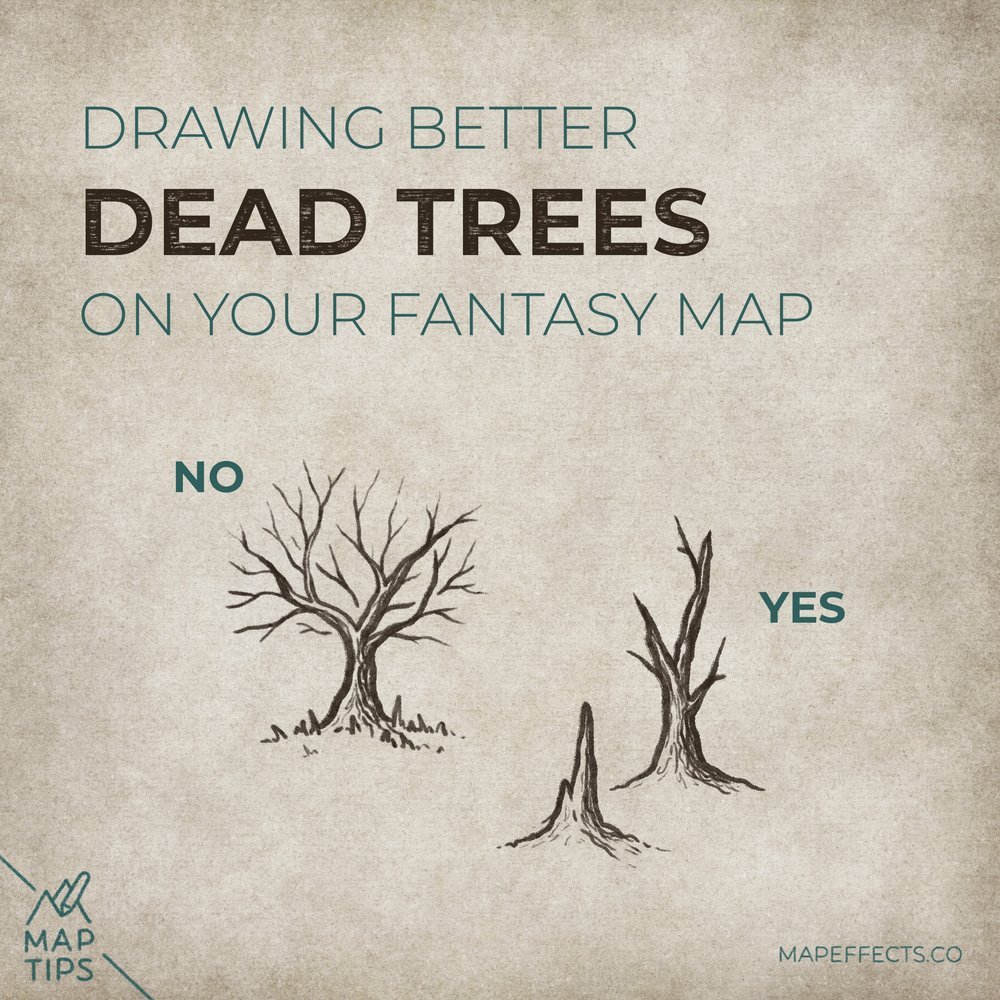
Have you ever tried to draw some dead trees on your fantasy map and realized it just looked like a tree without any leaves? How can you convey that it’s actually dead and not just defoliated? In this Map Tip, we’ll look at some simple tricks you can use on your maps to make sure your trees are appropriately deceased.
What is the best way to create a river on your map using the City Map Builder? Adding buildings, forests, and other features is pretty straight forward, but how do you add something like a stream flowing through your settlement? In this tutorial I’ll walk you through my favorite method so you can easily add some interesting rivers to your maps!
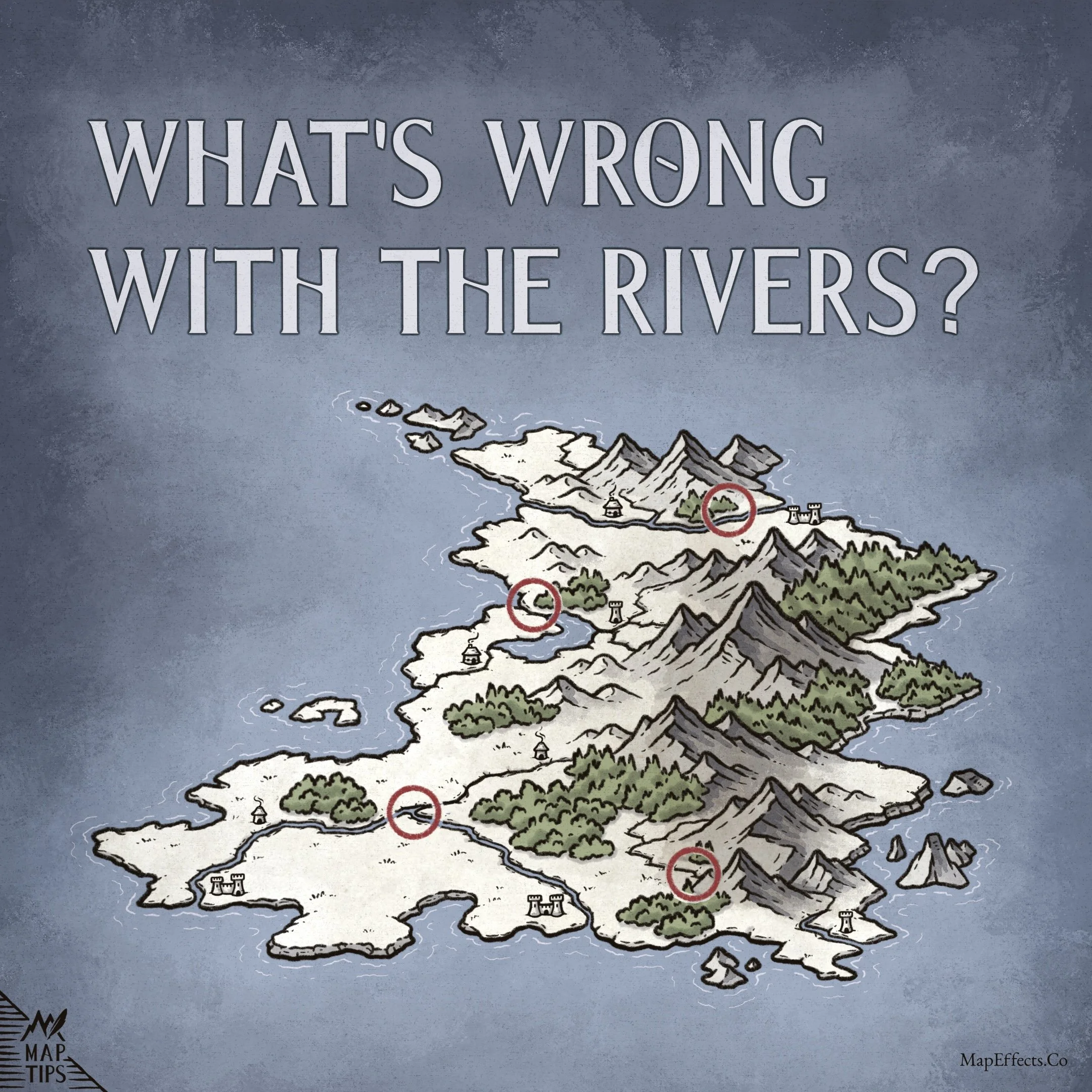
Avoid the river mistakes that instantly make fantasy maps feel unrealistic and break immersion in your world. This guide covers believable river placement, splitting rivers, lakes, elevation, deltas, and other simple principles that will make your fantasy maps and worlds feel more immersive and realistic.
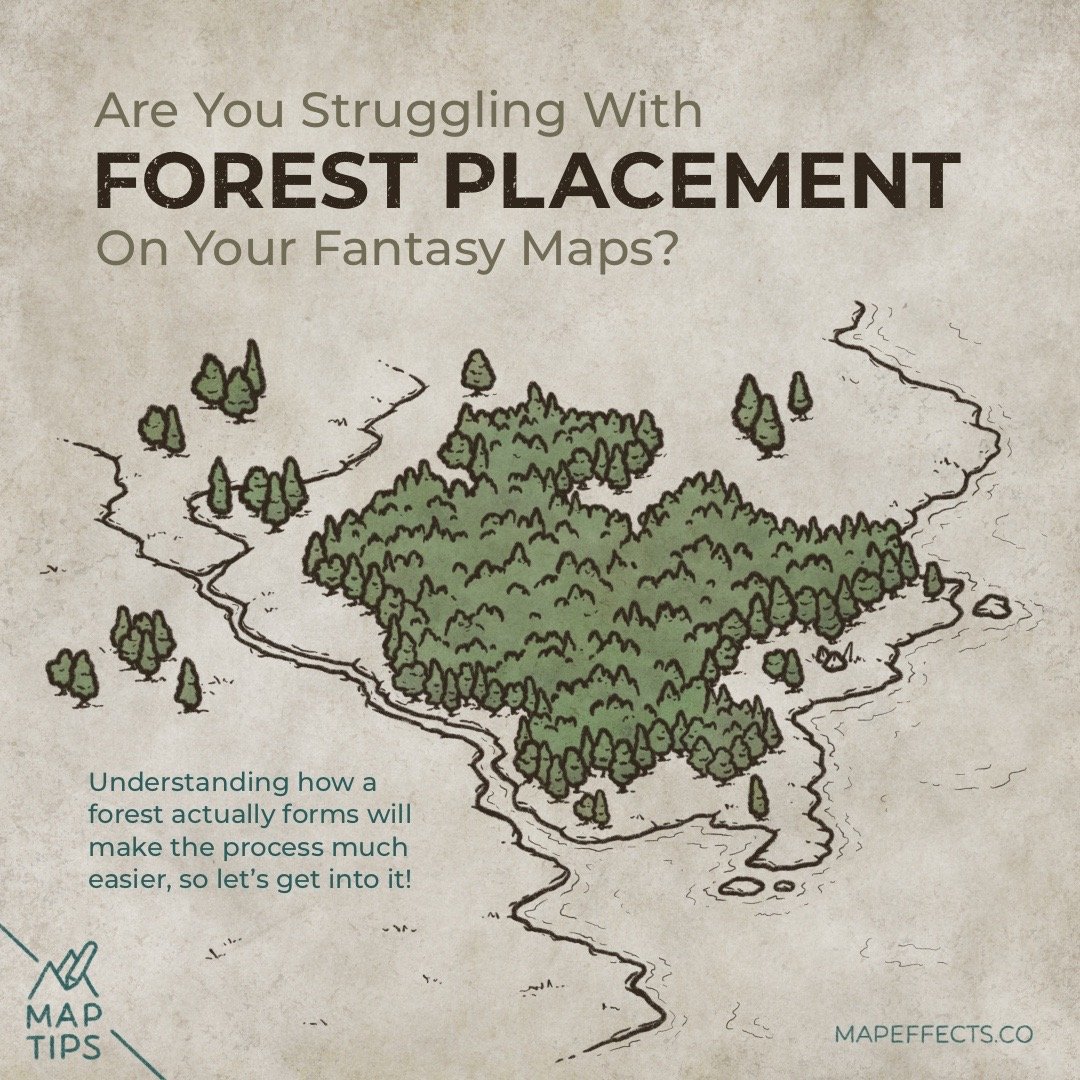
Have you ever wondered if you’re placing forests in the right spot on your fantasy maps? How does a forest even form, and why do trees grow in one area and not another? In this Map Tip I will walk you through how a forest grows to fill a landscape so you can have confidence when placing them on your maps!
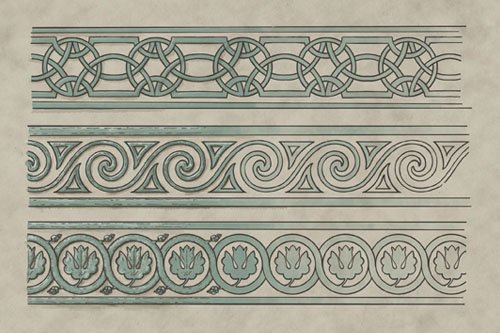
Do you want to add an epic fantasy border to your map, but you don’t know where to begin? Or perhaps you do know, and that’s the problem because you know how long it takes to do one by hand. This is why I added a new border brush in the latest update of The Fantasy Map Builder, to make the process of putting the finishing touches of your map that much easier!
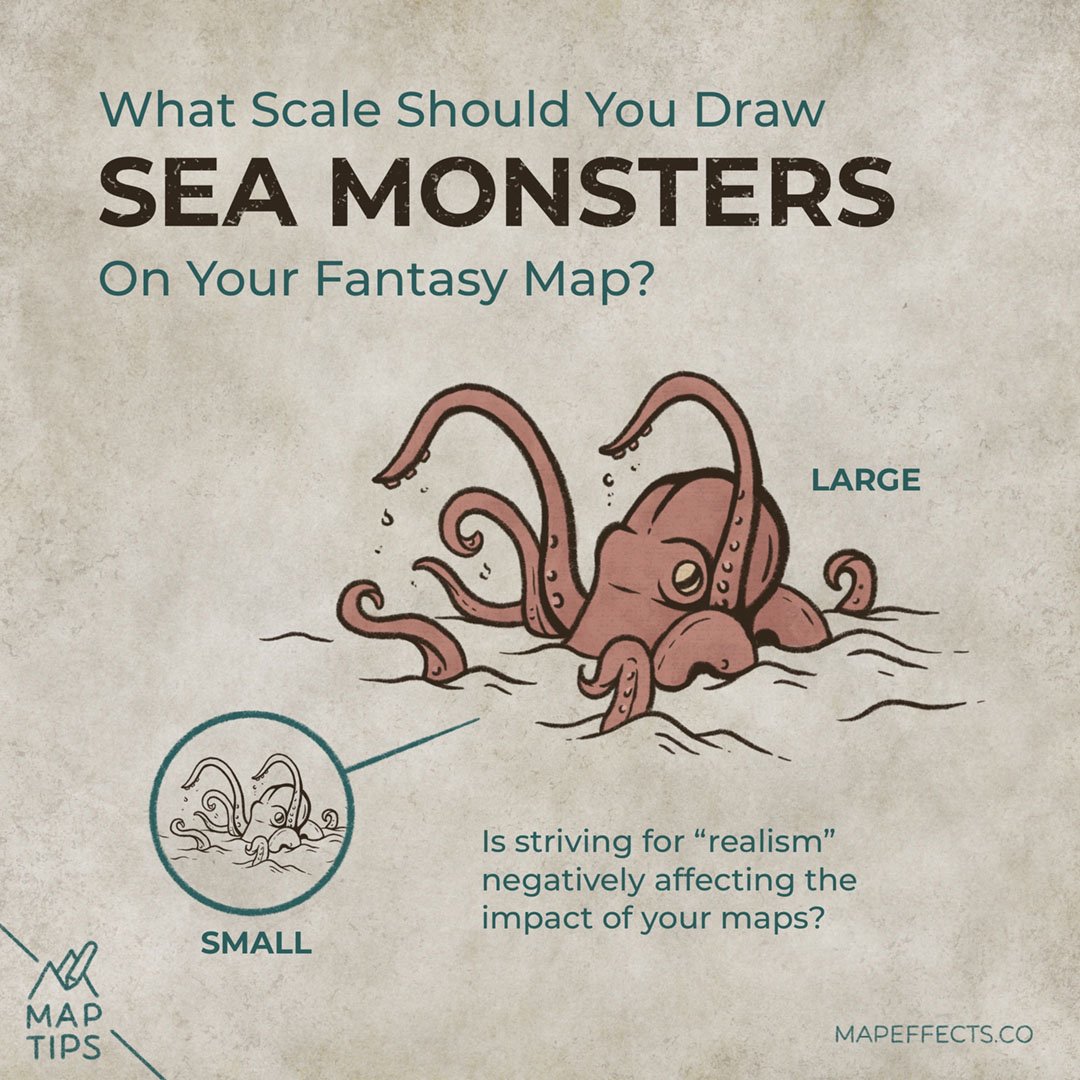
Do you want to draw some awesome sea monsters on your fantasy map, but aren’t sure what scale they should be? Should you go with a more realistic scale, or will they be too hard to see? Can you make them larger or will that throw off your whole map? But, is striving for “realism” negatively affecting the impact of your maps? Lets get into it!
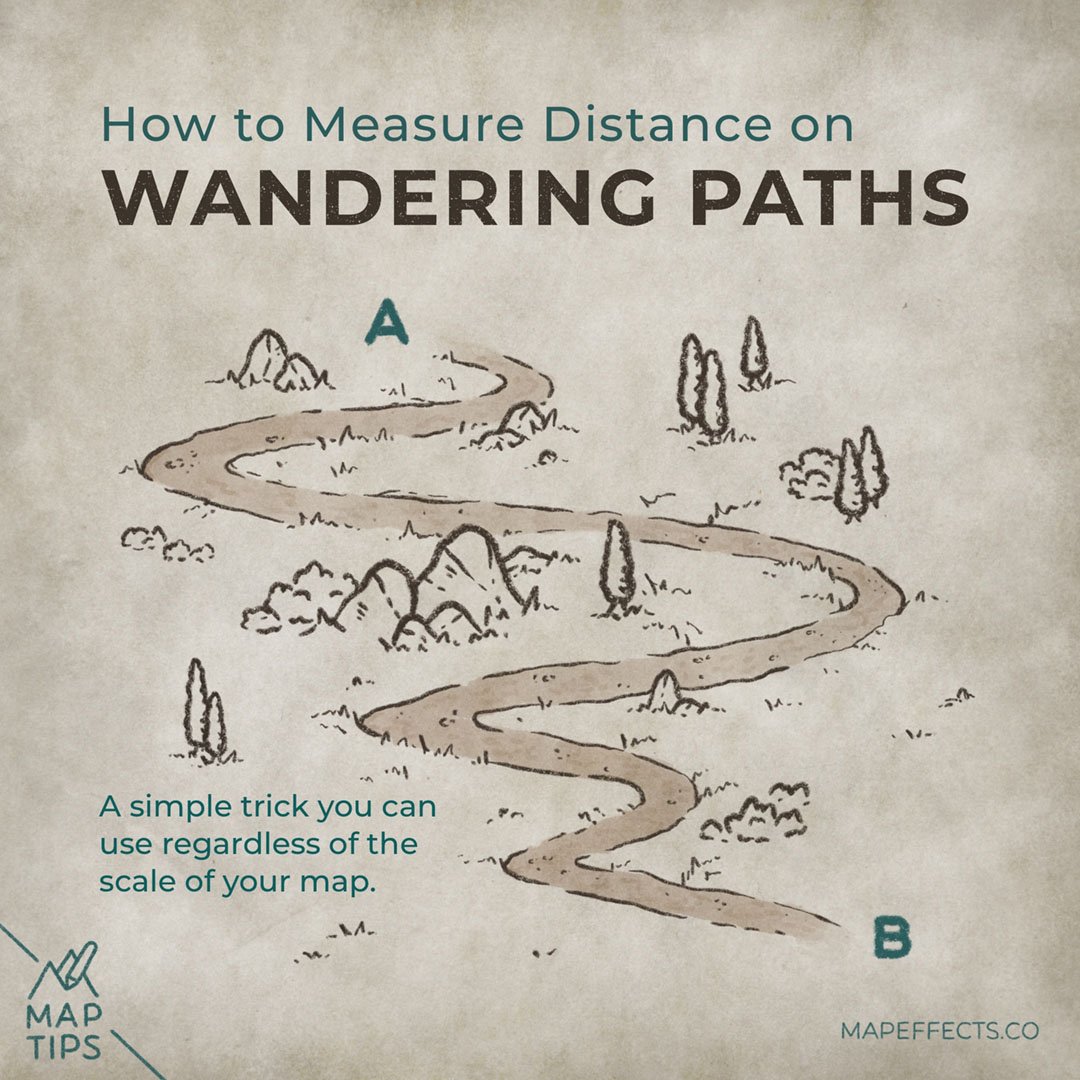
How much time will it take for your characters to travel the wandering path they’re on? Well, how long is it? Not sure? In this Map Tip you'll learn a simple trick to quickly determine distance on even the most crooked paths.
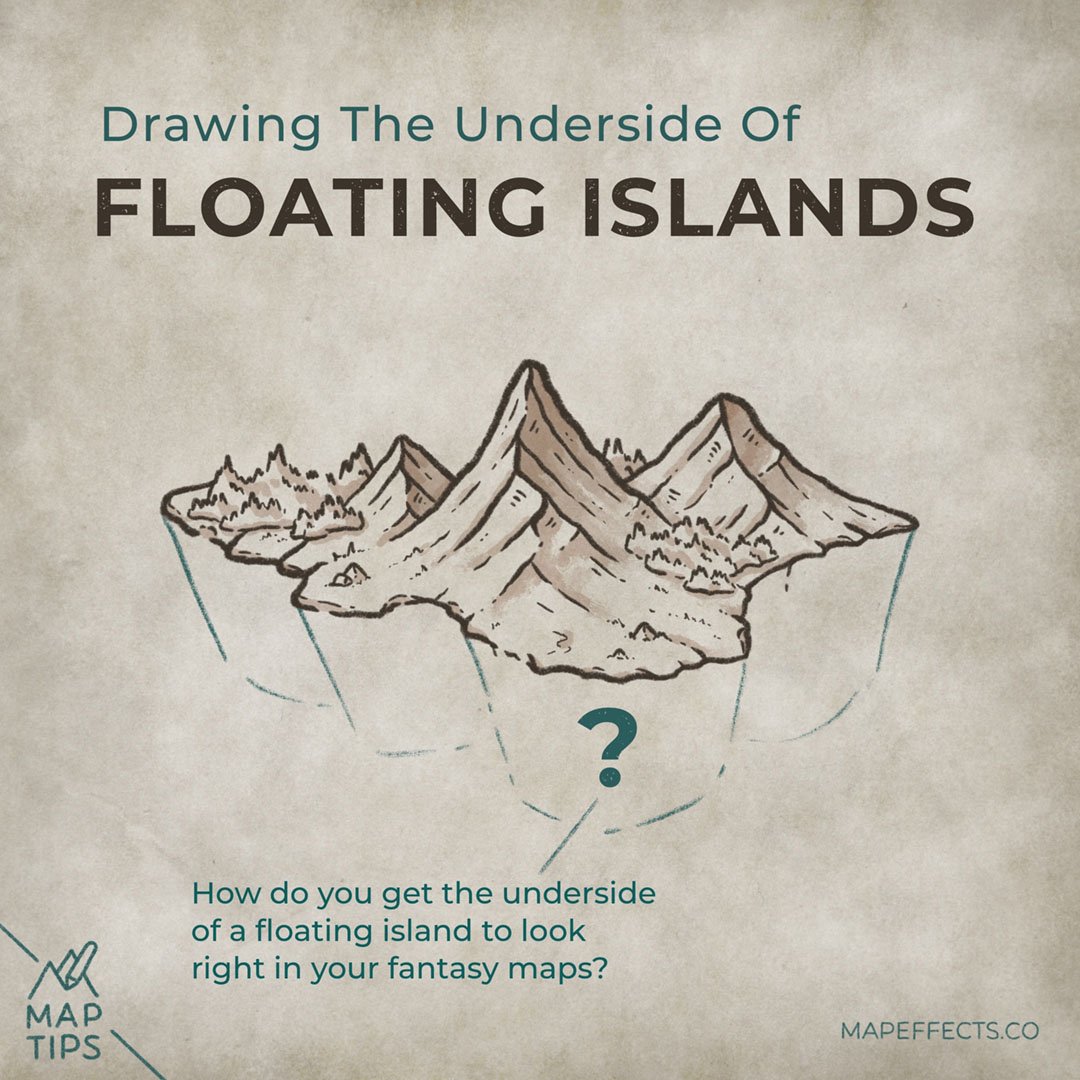
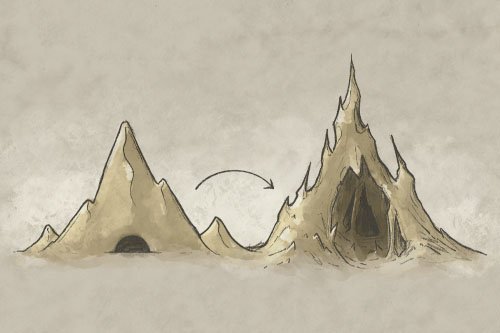
The idea of having a floating island that is mysteriously positioned in mid-air is something that has become increasingly popular in the fantasy genre. But, how do you draw one on your map? In this Map Tip, I will break down for you my method for drawing the underside of a floating island for your fantasy worlds!
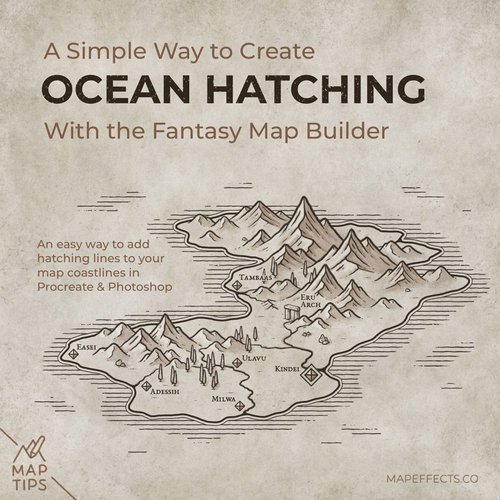
If you really want a classic hand-inked look for your fantasy map, then adding hatching lines along the coastlines is a great way to do it. Unfortunately, it is very time-consuming to draw each individual line, and keeping them equally spaced can cause no shortage of frustration. But now with the Ocean Hatching Brush included in the Map Effects Fantasy Map Builder, you can instantly add hand-drawn hatching lines with just a click.
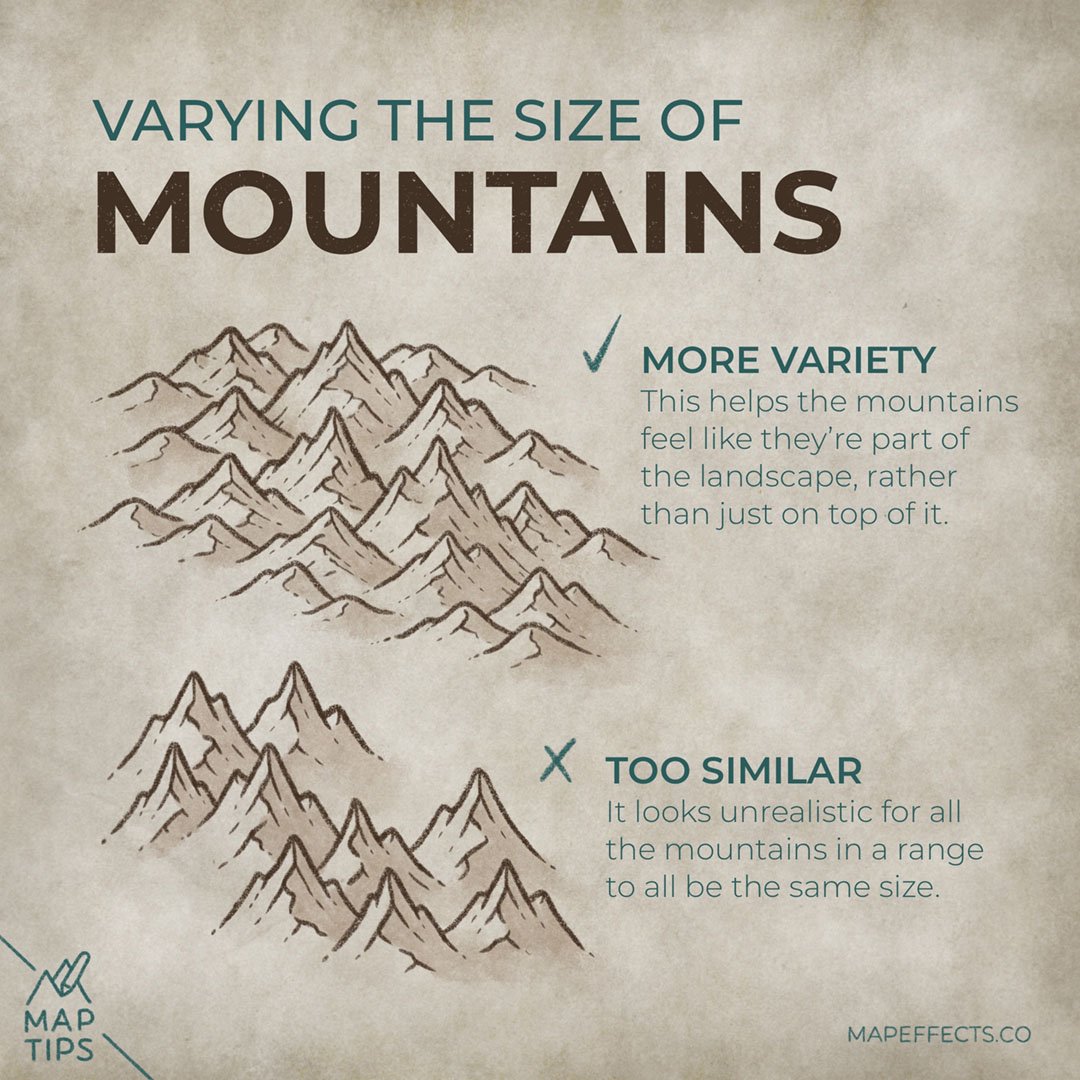
What's the trick to making your mountain ranges look more realistic on your fantasy map? One thing often overlooked is that not all mountains should be the same height. Having some variation helps them feel a part of the surrounding landscape and not just sitting on top of it. Let's look at some simple principles you can apply to your maps.
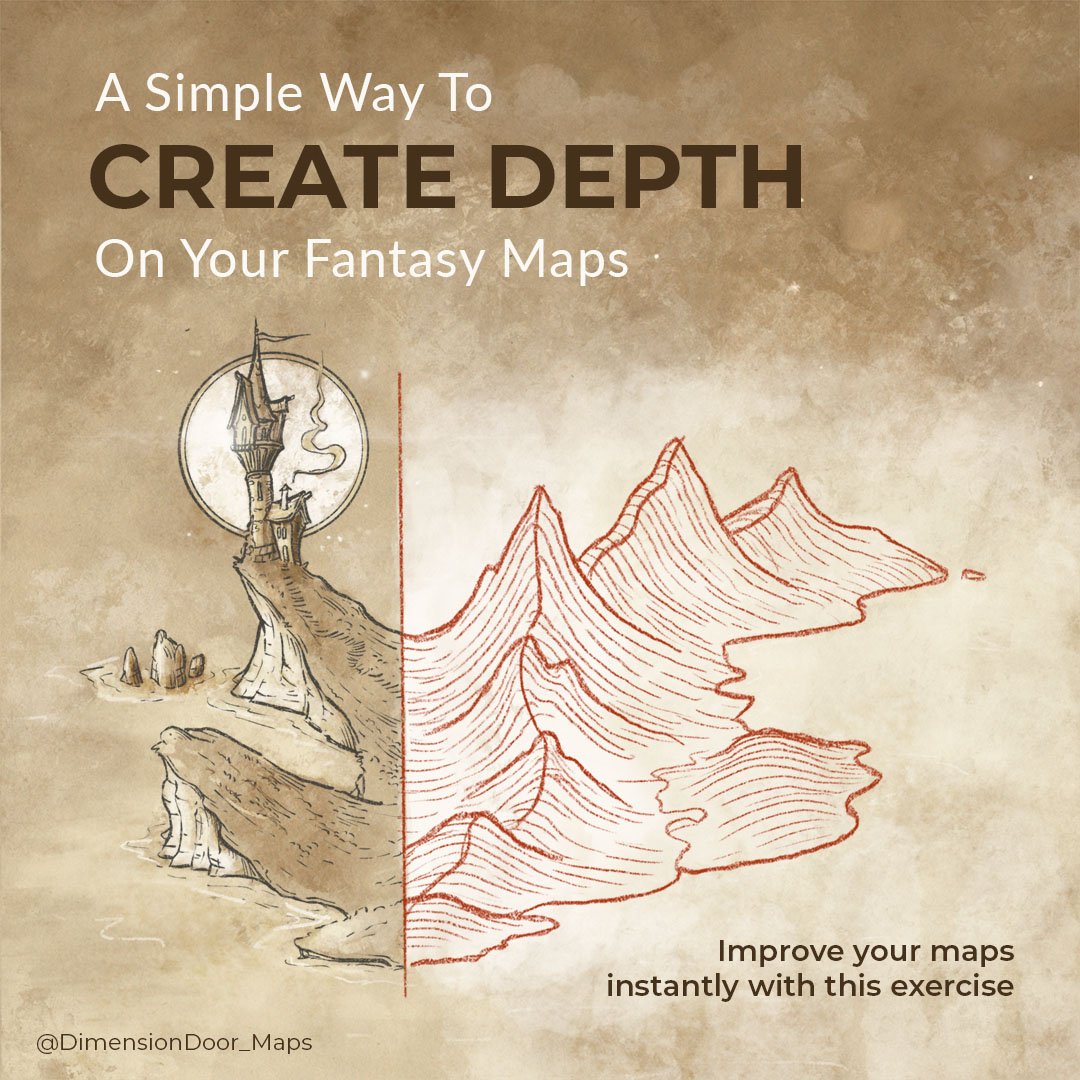
Most fantasy maps you see have a relatively flat landscape, with a few mountains, forests, and settlements placed on top. But, occasionally you’ll find a cartographer who makes the entire landscape look like it is popping off the page. In this guest tutorial, Gerralt Landman will share with you his secret to iconic maps with their amazing depth and dimension.
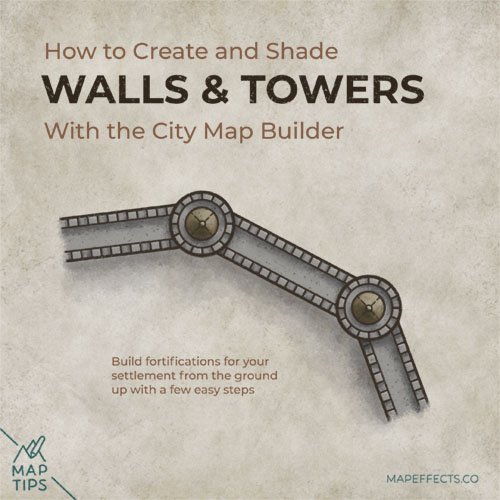
In this tutorial, I will show you how to build fortifications for your settlement using the brushes included in the City Map Builder. And even if you don’t own that particular tool, there will be plenty to glean and apply to your own hand-drawn city maps!
How can you use the grassland brushes included in the City Map Builder to create a Hill Shrine? Here you’ll find some tips on using the grassland brushes so you can begin using them to create interesting settings of your own on your fantasy maps.
And if you’re drawing everything by hand rather than using the map builder, stick around and you’ll find a lot of helpful tips you can apply to your own work.
Want to draw a border on your map but don’t know where to even start? Borders are a creative and fun way to put some lore and style into your maps. Making these borders requires some skill but once you get the hang of it things get fun really quickly. In this guest tutorial, Gerralt (DimensionDoor_Maps) will share 7 beautiful borders you can begin using today on your maps!
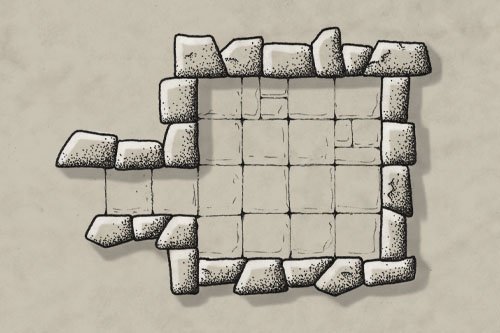
Stippling is a powerful and yet simple technique you can use to give your dungeon maps a lot of depth. If you enjoy the classic pen & ink look, then this technique is for you. In this guest tutorial, Fred (Whiskey_n_Ink) will walk you through how you can use stippling to add dimension to your dungeon maps!
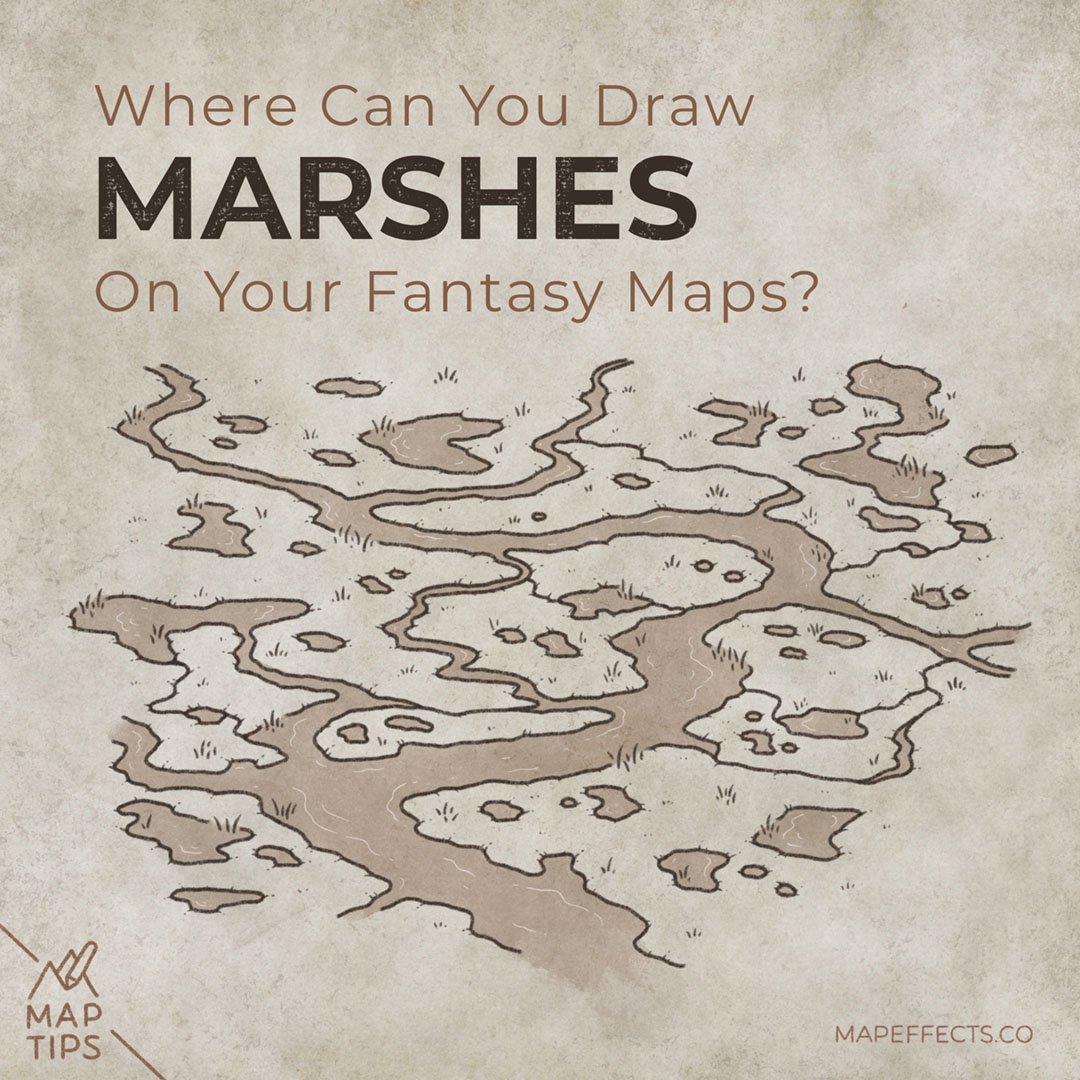
There are so many ways you can utilize marshes in your worldbuilding and storytelling. They can be a place of great abundance and biodiversity, or they can be somewhere filled with foreboding and danger. Either way, it’s important to understand how they actually form in order to place them on your map.
Did you know that the shapes you use when drawing features on your fantasy maps can actually cause certain emotional triggers in the viewer? In this guest tutorial, Gerralt (DimensionDoor_Maps) will walk you through how you can use the power of shape language to give your maps more character!
Rivers are likely an essential feature for the fantasy world you’re creating. Water is vital for life as we know it, not only for survival but transportation or trade. Understanding where to place them on a map is challenging if you don't want it to appear arbitrary. But if you grasp how water moves through a landscape, it will go a long way toward creating a sense of realism for your maps and worldbuilding.
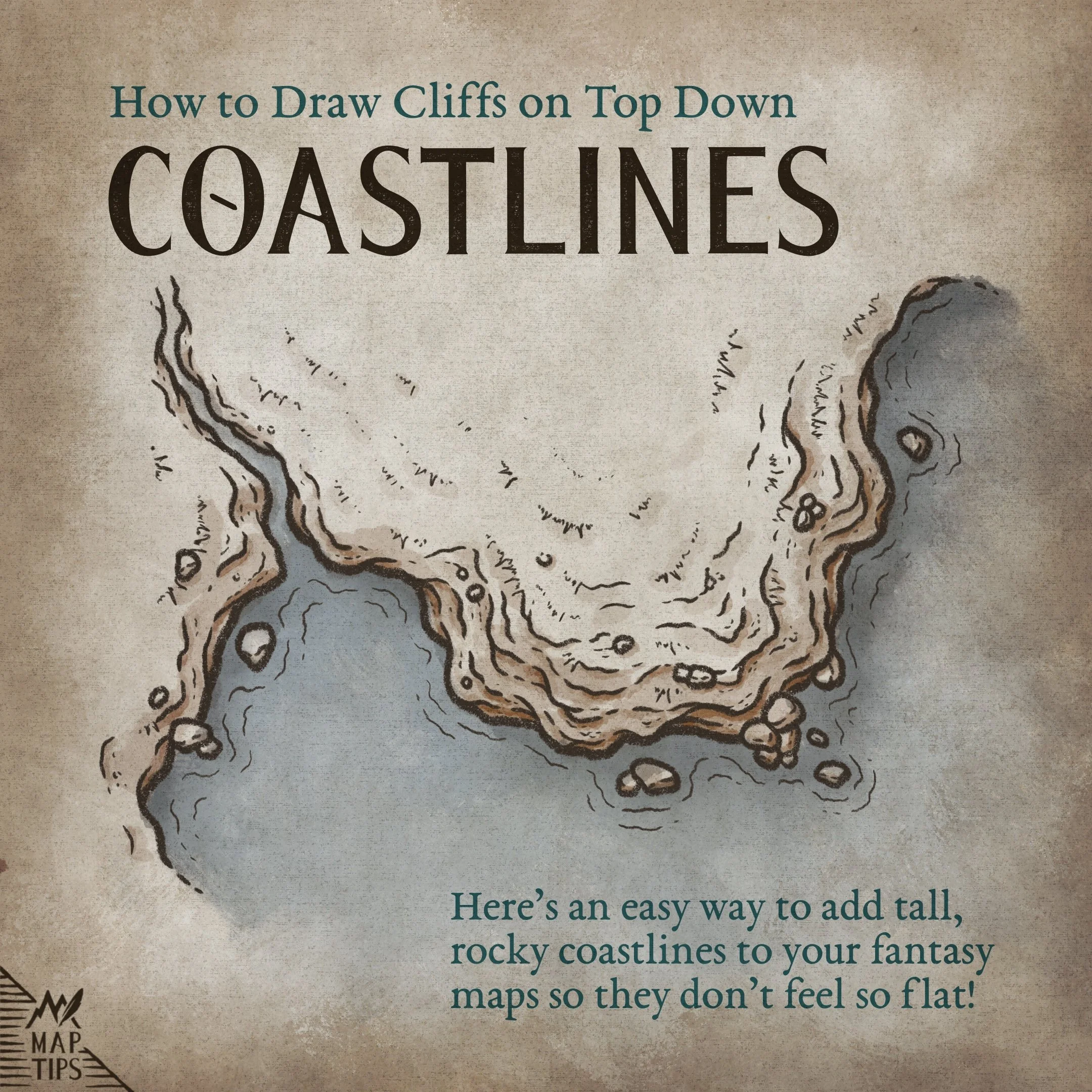
One of the biggest challenges with fantasy maps in a top down perspective is they tend to look a bit flat. Fortunately, there are some simple tricks you can use to build up the layers of the landscape to give a sense of depth. In this Map Tip we’ll be looking at how to draw cliffs on a coastline in this perspective and make them really stand out in your map.
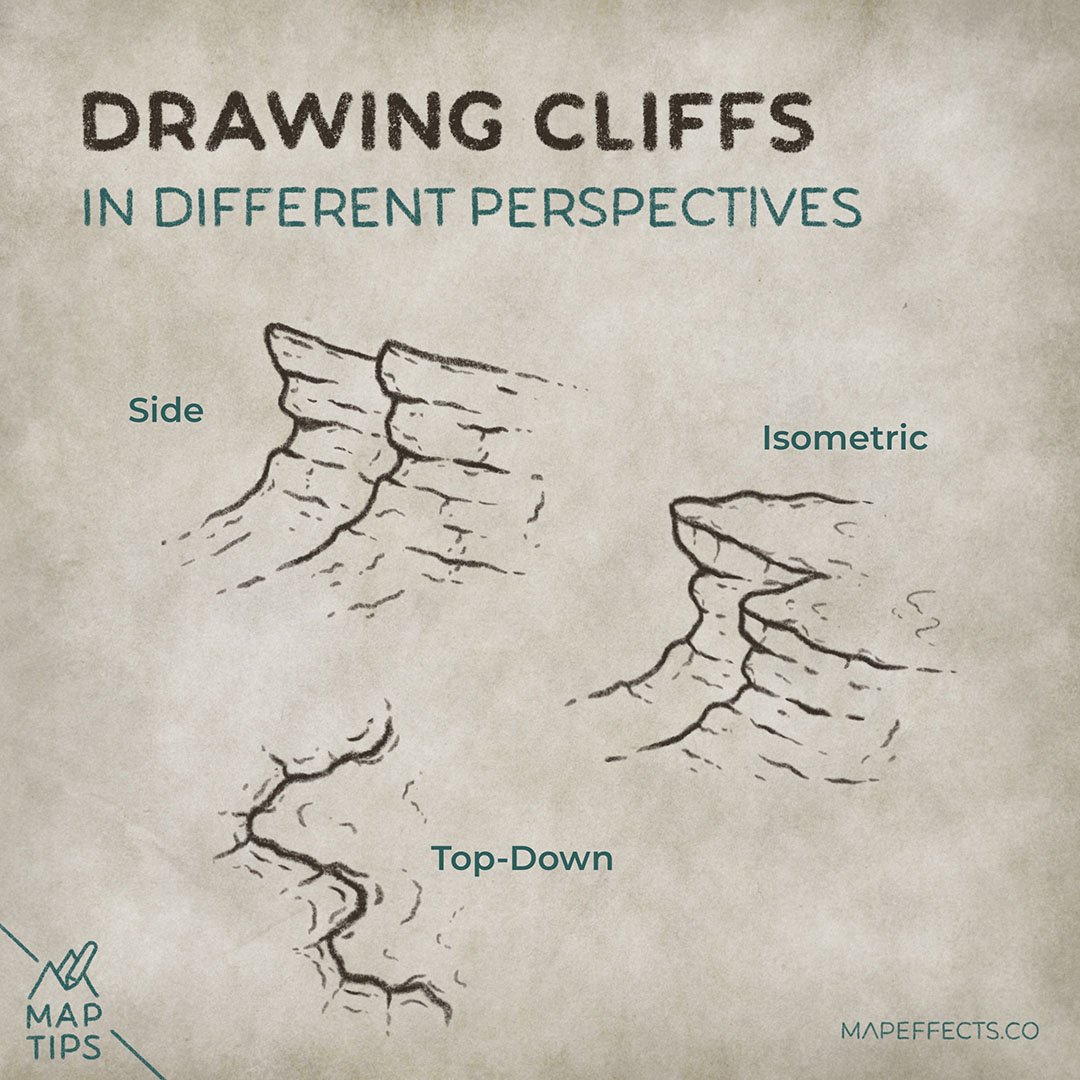
When you sit down to draw a fantasy map for your story, one of the first things to decide is the perspective you’ll use. The most common tend to be isometric and top down, but which should you use? Here we will look at some of the benefits of each using something like cliffs to show some of the differences.
Deltas are a key source of agriculture for civilizations due to their nutrient rich soils. One of the key things that allowed Egypt to rise to and maintain power for so long was their acess to the Nile River and it’s delta. Now, lets look at how they form so you can realistically add them to your fantasy maps.
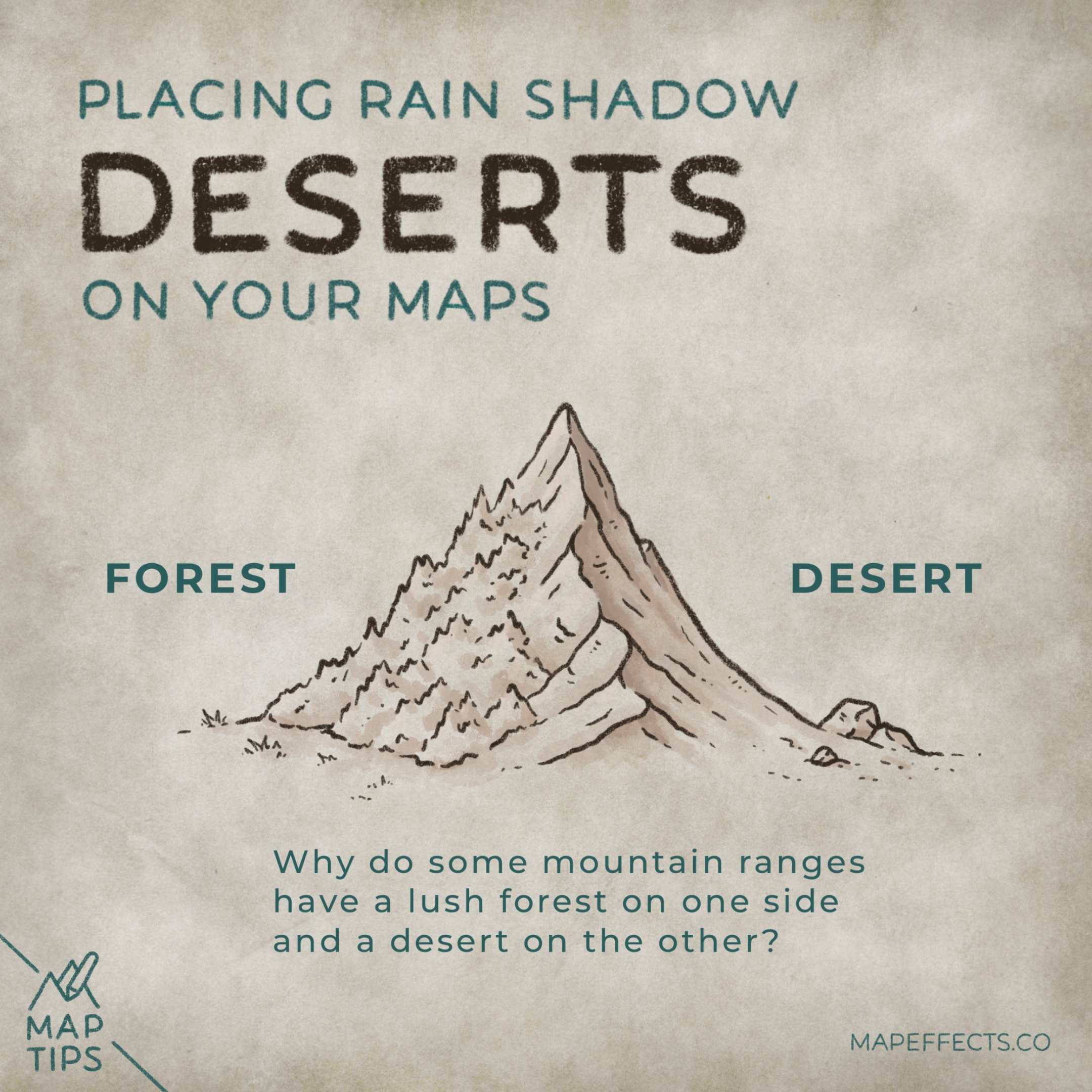
Why do some mountain ranges have a lush forest on one side and a desert on the other? In this Map Tip we’ll look at how a rain shadow desert can form so you can draw them on your own maps.