Plateaus, Mesas, & Buttes - What’s The Difference?
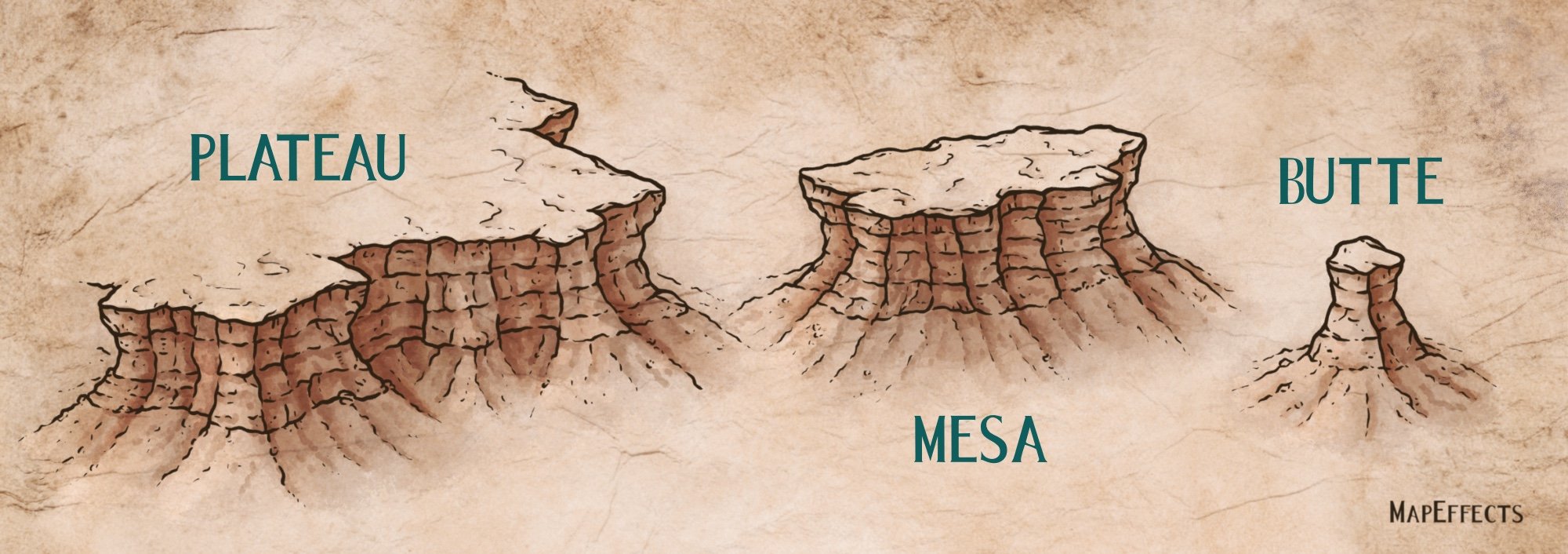
Plateaus, mesas, and buttes are among the most recognizable landforms in the world, yet they’re often mistaken for one another. While all three share steep cliffs and relatively flat tops, each tells a different geological story. Understanding those differences not only deepens your appreciation of real landscapes, but can also help you create more believable fantasy worlds.
What’s a Plateau?
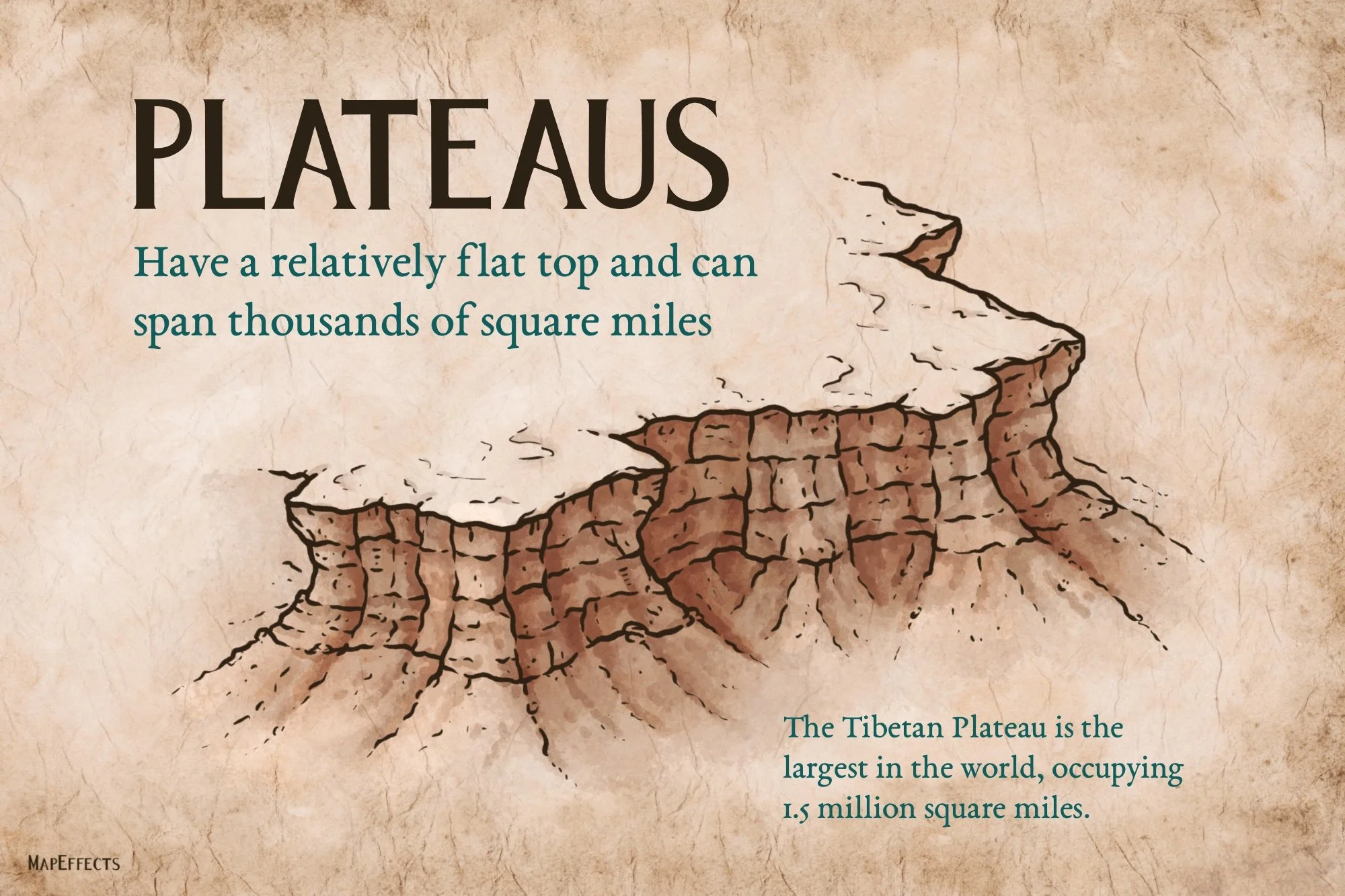
Plateaus are broad, elevated regions with relatively flat tops that rise above the surrounding landscape. Rather than being surrounded by cliffs on all sides the land often slopes gradually into the countryside, allowing rivers, forests, grasslands, and even entire civilizations to spread across their surface. Because of their immense size, plateaus can shape regional climates, influence major river systems, and create unique ecosystems.
Some plateaus are so vast they’re easy to mistake for ordinary countryside until you reach their edge. The Tibetan Plateau, often called the “Roof of the World,” is the largest on Earth, covering roughly 1.5 million square miles and averaging over 14,000 feet in elevation. Its towering height influences weather patterns across much of Asia and gives rise to many of the continent’s great rivers.
Worldbuilding Ideas
Plateaus make excellent locations for isolated kingdoms, windswept highland grasslands, ancient trade routes, and civilizations protected by sheer cliffs. Their commanding elevation naturally creates regions that feel distinct from the lowlands below, making them ideal settings for unique cultures. But, maybe the entire plateau was once the summit of an ancient mountain range that was removed in a cataclysm.
What’s a Mesa?
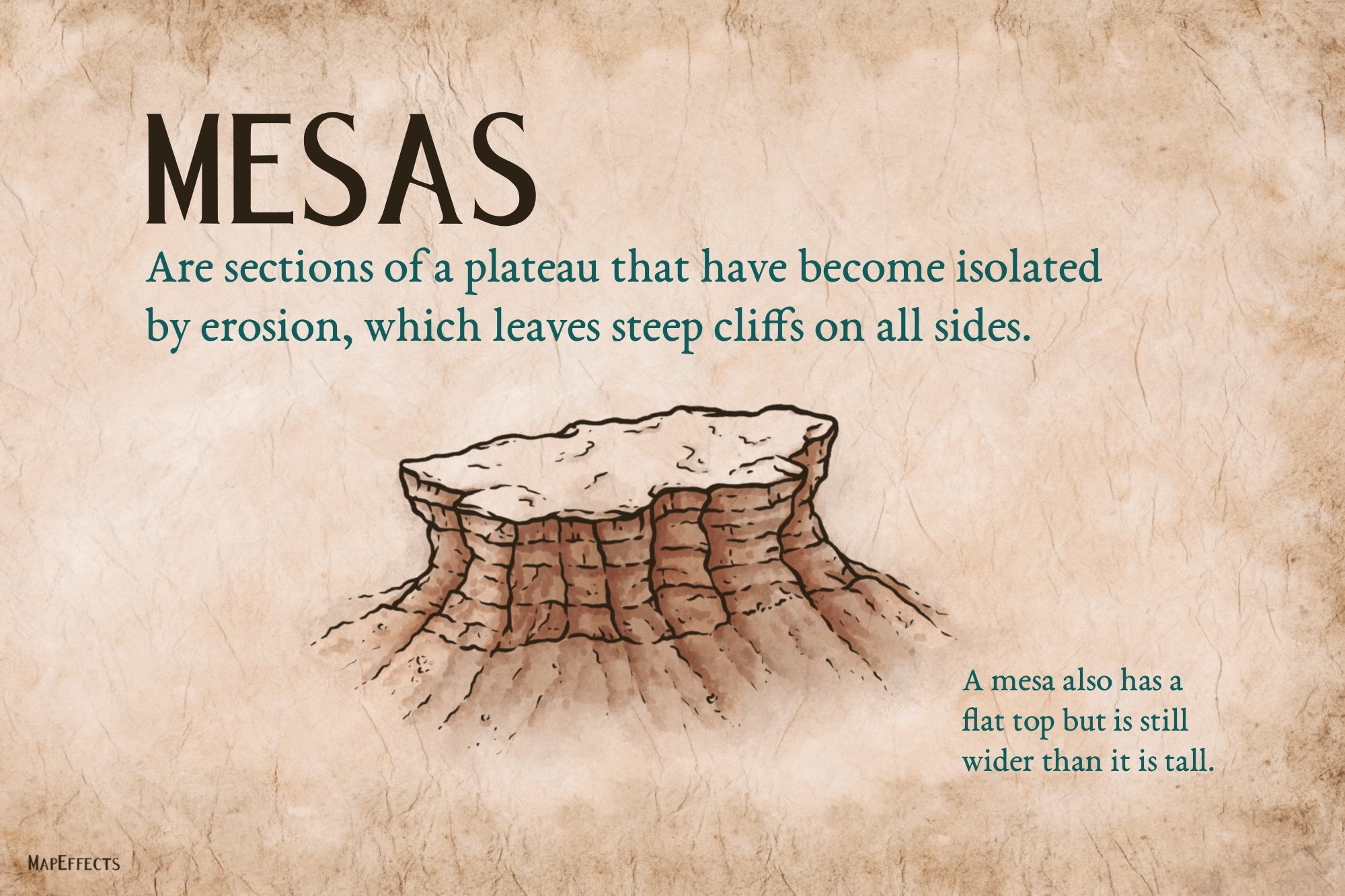
A mesa is an isolated section of a plateau that has been carved away by erosion, leaving steep cliffs on all sides. Unlike a plateau, the cliffs completely surround the rock formation. A key feature though is that a mesa is still wider than it is tall.
Some of the world’s most famous mesas are found throughout the American Southwest, particularly in Monument Valley along the Arizona and Utah border. Their iconic silhouettes have become symbols of the desert landscape and appear in countless films, photographs, and works of art.
Worldbuilding Ideas
Mesas make natural locations for cliff top villages, secluded monasteries, ancient temples, and watchtowers. Their steep sides create natural defenses while their broad summits provide enough space for settlements, or sacred site with a view of the surrounding landscape. Perhaps, every mesa in the region was once connected by bridges that disappeared long ago.
What’s a Butte?
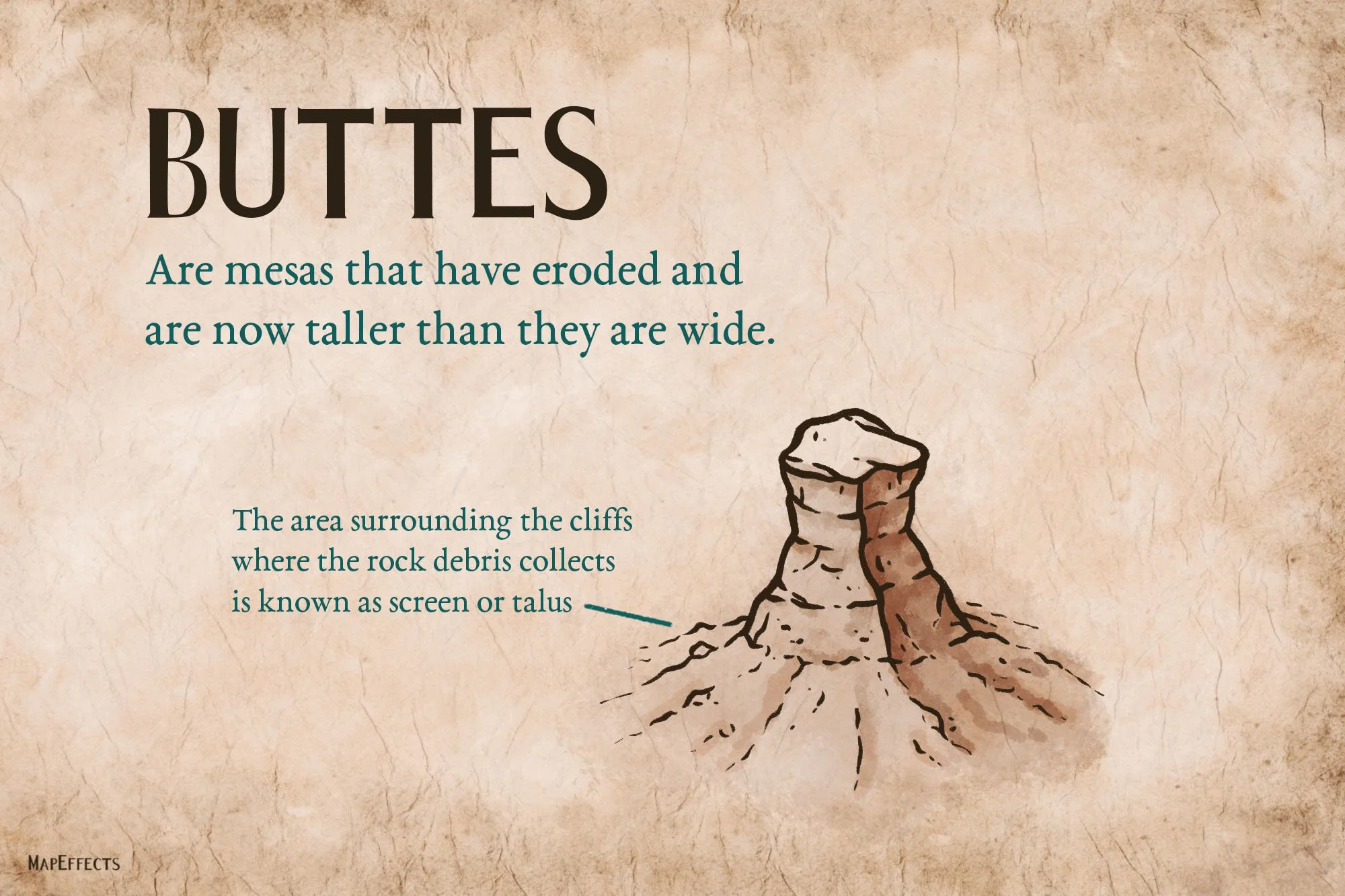
A butte is the final stage of this erosional process. As wind and water continue to wear away a mesa, it gradually becomes smaller and narrower until it is taller than it is wide. Like mesas, buttes usually retain a hard caprock that protects the softer rock beneath, slowing their erosion.
Some of the world’s most recognizable buttes rise from the deserts of the American Southwest. West Mitten Butte in Monument Valley has become one of the most photographed landforms on Earth, its dramatic silhouette standing alone above the surrounding desert floor.
Worldbuilding Ideas
Buttes are perfect locations for wizard towers, or the destination for a religious vision quest. Their isolation naturally draws attention, making them ideal landmarks for travelers memorable focal points on a map. Or perhaps what looks like a rock formation is actually a portal to another dimension.
Want to Add Plateaus to Your Fantasy Map?
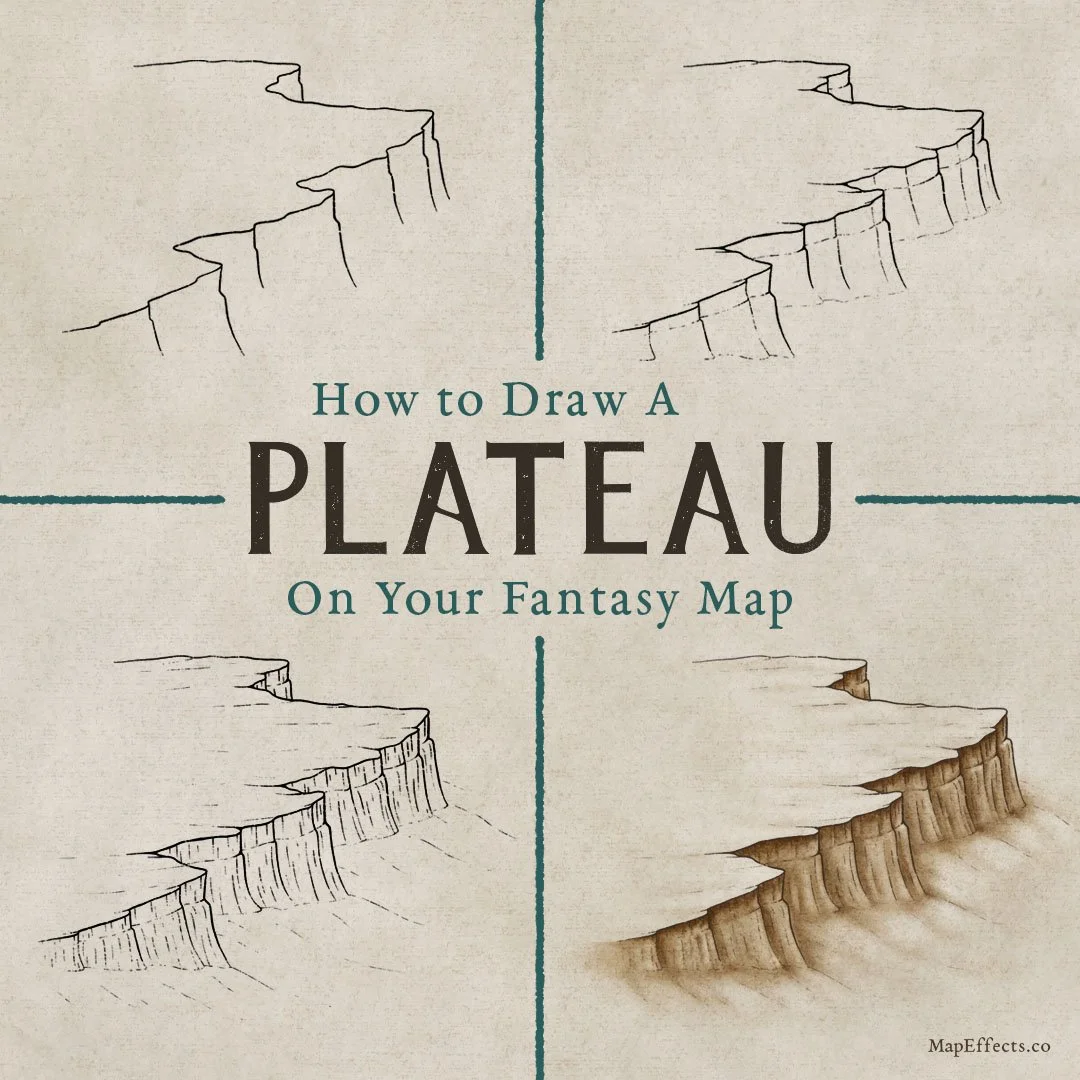
A step-by-step tutorial for drawing plateaus by hand.
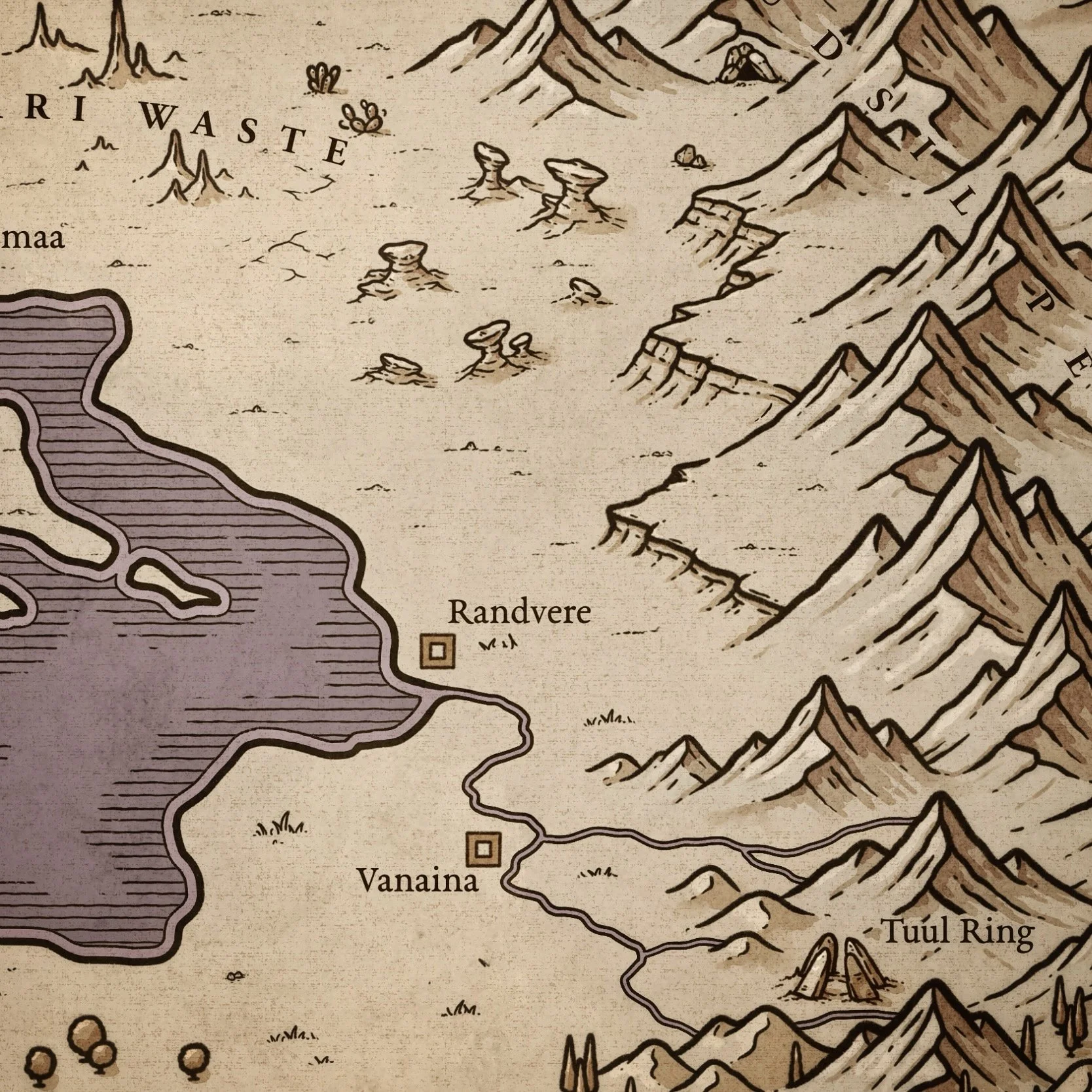
Add plateaus, cliffs, canyons, and more with ready-to-use hand-drawn map brushes.
Explore More Map Tips
Learn how real geography can inspire better fantasy maps.