3 Keys to Creating Better Fantasy Maps
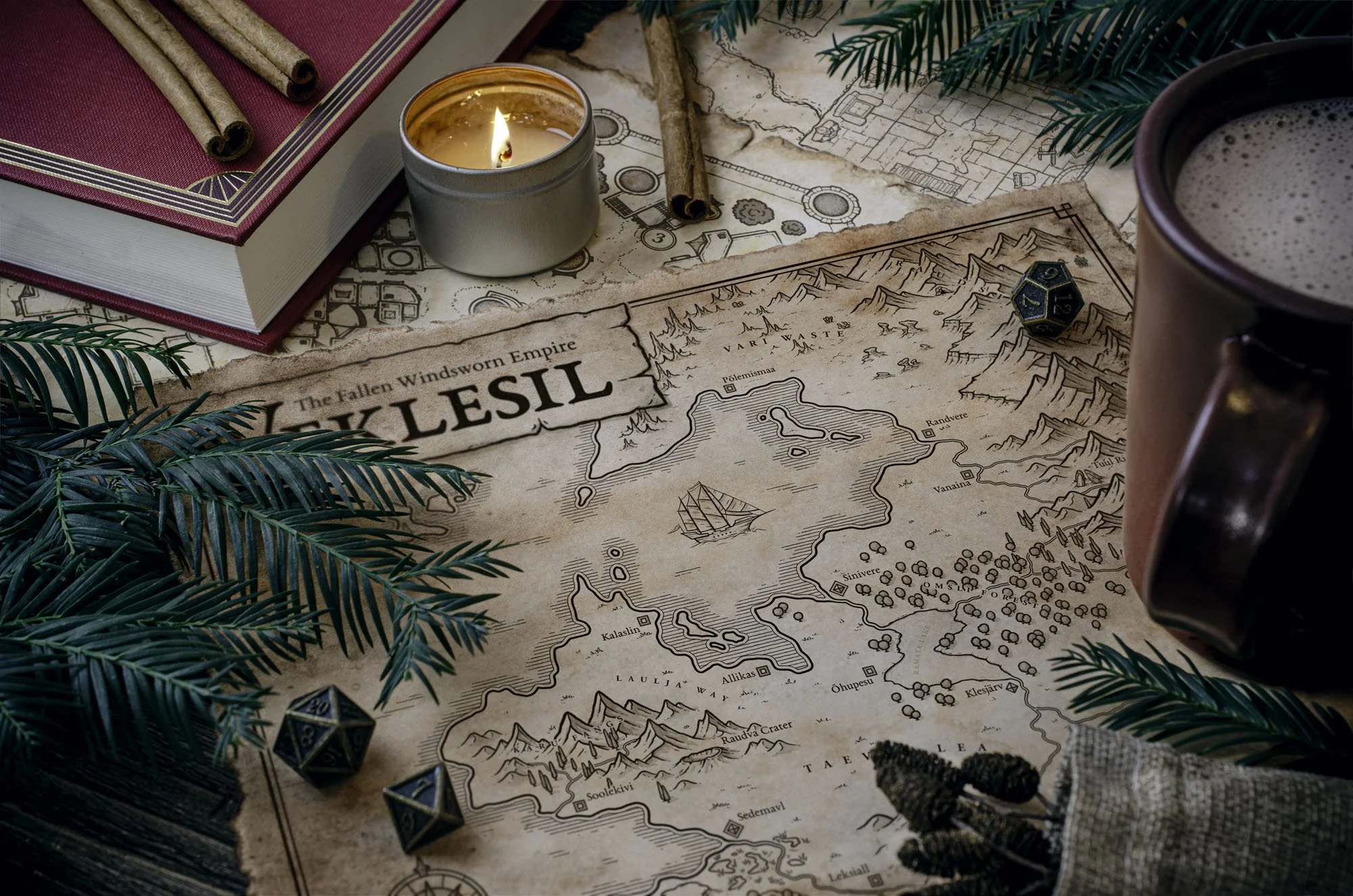
Most fantasy maps fail because they feel arbitrary or like an afterthought. The only reason they exist is because Tolkien did it first, not because they meaningfully add to the story or world itself. But a good map should make a world feel discoverable, believable, and worth exploring.
Creating a map can feel overwhelming when you first begin. From learning to draw, to understanding worldbuilding and the nuances of geography, there is a lot to potentially take in. But what fundamentally makes one map good and another not? I believe it comes down to three primary things. If you keep these principles in mind, you can feel confident that you’ll consistently create good, if not great, fantasy maps for your stories.
1: Helpful for Navigation

At its most basic level, the purpose of a map is to help a person get from point A to point B. Maps orient the viewer within a world and helps them understand the relationship between locations. In fantasy, especially, this becomes even more important because you are introducing readers to a place they have never seen before.
This does not mean your map needs to be precise enough for a scientific journal. But distances should feel reasonably believable. A reader should be able to estimate how long it might take to travel from one location to another and understand what obstacles may stand in the way, whether forests, mountains, swamps, or open sea.
This may seem obvious, but many fantasy maps begin to break down under even surface-level scrutiny. Cities feel randomly placed, distances seem inconsistent, or terrain fails to meaningfully affect travel. Once that happens, the map stops functioning as a believable navigational tool and begins to feel arbitrary rather than lived in.
2: Believable

This brings us to the age old debate of how realistic a fantasy map actually needs to be. After all, “fantasy” is in the name of the genre. But ultimately, a map simply needs to feel believable within the rules of the world you’ve created.
Having an awareness of natural laws in our own world gives you a strong foundation for creating maps that feel reasonable to readers or players. Rivers generally flow downhill…Mountain ranges affect the climate…Settlements form near resources and trade routes. While you do not need to know the answer to everything, having a basic understanding of these patterns helps a world feel grounded. But, that does not mean you cannot break those rules! If you want rivers to flow uphill or a frozen wasteland in the middle of a jungle, that is completely fine. The important thing is thinking through the “why” behind those things existing. When done intentionally, unusual geography can actually become one of the most interesting parts of a setting.
Don’t Use “Magic” as an Excuse
The problem arises when natural laws are broken accidentally, and “magic” becomes a convenient explanation to patch over the issue.
Everyone has different preferences for how fantastical a setting should be, and there is nothing wrong with heavily magical worlds. But magic works best when it feels intentional rather than random. If every inconsistency can simply be explained away by “uhhh oh...WIZARD! 🧙♂️” to fix the problem, you will quickly undermine the believability of your world based on its own internal laws.
Believable worldbuilding combined with thoughtfully placed fantastical elements creates settings that feel both imaginative and immersive.
3: Visually Appealing

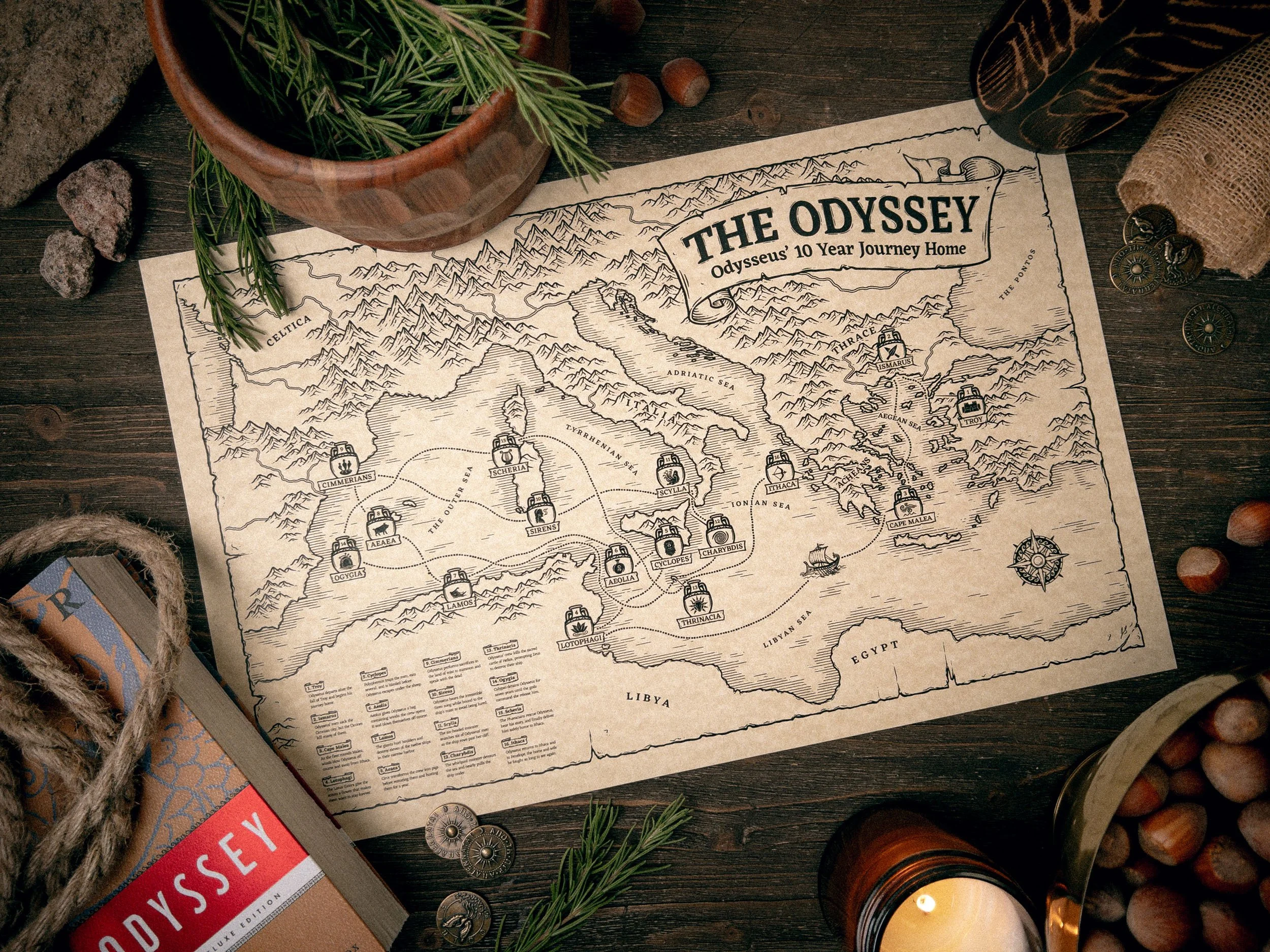
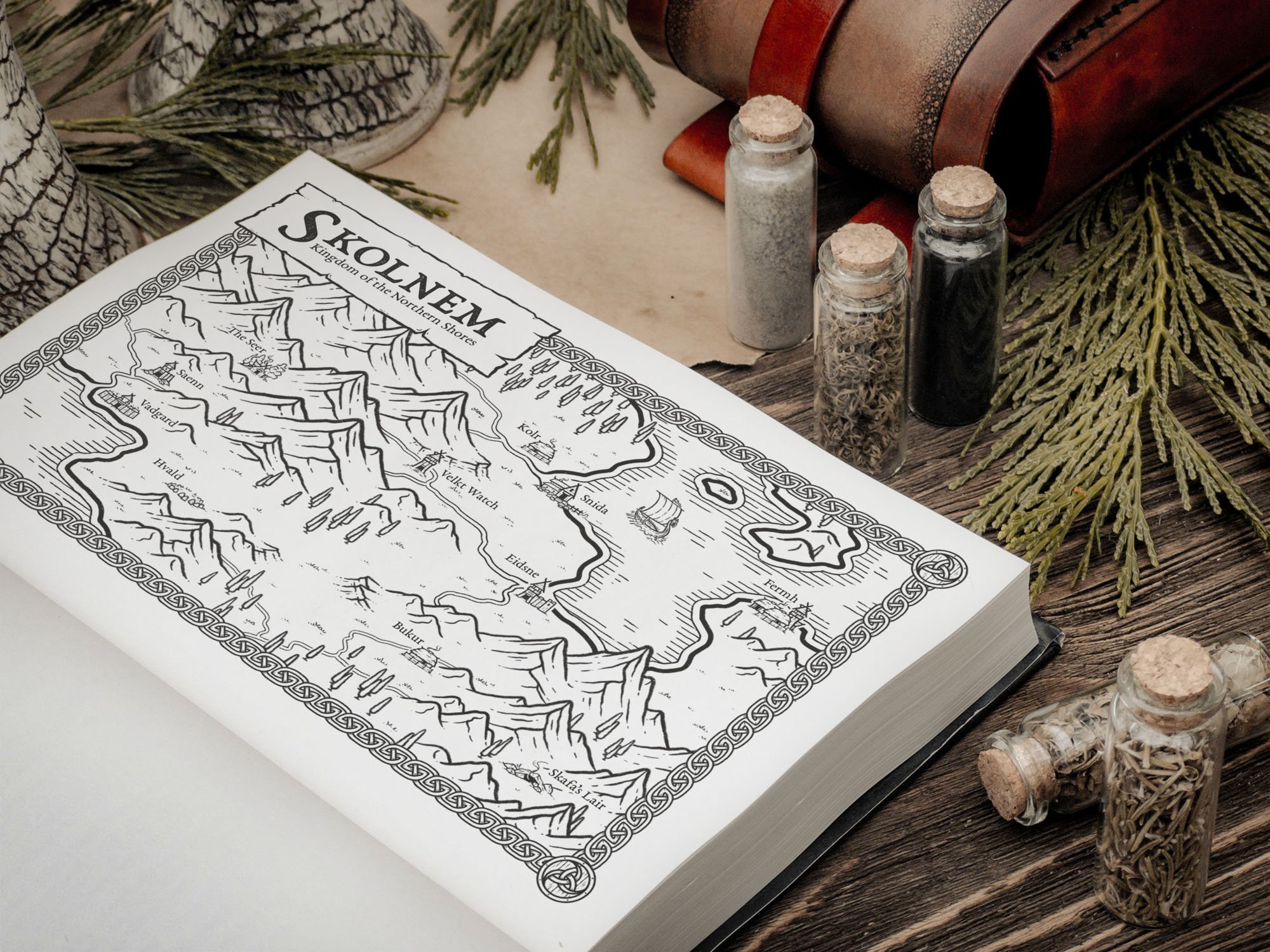
A map can be useful for navigation and believable within the world, but what if it is simply boring to look at? While this is somewhat subjective, most of us have opened a fantasy novel only to find a “map” that is little more than a squiggly coastline with a few place names scattered across it. Technically, this may still function as a map because it communicates where things are located…but it is probably not something readers will want to hang on their wall and share with their friends.
In my opinion, if you are going to include a map in your story, it should meaningfully add to the experience. A compelling map can draw readers deeper into the world before they even begin chapter one. A weak or careless map can unintentionally give the impression that the world itself lacks depth.
How Can You Do This?
This doesn’t mean you need to be a master illustrator to create a visually appealing map. But you should invest some time learning the basics of how to draw the main features, so it is at least visually compelling. This is why I created a Series of Free Tutorials where you can learn how to do this yourself. Or, if you’d rather not invest a lot of time learning how to draw you can use my Map Effects Fantasy Map Builder to create something with a few clicks and a bit of imagination.
Whatever route you choose, it is worth investing in this final piece. A memorable map invites people to linger, explore, and imagine the world beyond the page. Functionality matters, but without visual appeal and atmosphere, I personally do not think a map can truly be considered great.
The best fantasy maps do more than communicate information. They invite curiosity and cause readers to wonder what lies beyond the mountains, down the old road, or across the sea. Long after the story ends, a good map can keep the world alive in their imagination.
Happy Mapping!
Josh